Do You Actually Know What Tiny Things Your Eyes Are Secretly Doing Every Single Day?
This approachable eye health science piece breaks down widely misunderstood daily eye behaviors, dispels long-held false eye care myths, and shares easy-to-follow, no-cost tips to protect your long-term vision.
Most people treat their eyes like simple built-in cameras that turn on the second they wake up and shut off automatically when they fall asleep, but this common assumption is far from the truth. Your eyes are running dozens of tiny, invisible background processes every minute you are awake, and you barely notice any of them. For example, when you walk out of a brightly lit convenience store into a dark residential alley at night, you do not go completely blind for several seconds, because the pupils on both eyes are working with the retina’s light-sensitive rod cells to adjust light intake at a speed faster than most consumer digital cameras can match. You will also never notice that your two eyes are actually sending two slightly different pictures to your brain at all times, and it is your brain that merges the two images into a single, clear 3D view without any extra effort on your part.
There are so many tiny, fun facts about your daily eye functions that almost no one talks about. The average person blinks around 15 to 20 times per minute, but less than a third of these blinks happen only to spread tear film evenly across the eye surface. Researchers have found that most of our spontaneous blinks align perfectly with natural pauses in conversations, breaks when we finish reading a paragraph, or small gaps between episodes of a show we are streaming, and our brain deliberately blocks out the tiny split-second dark moment that comes with each blink, so we never feel like our view is interrupted. The tiny wispy spots that float across your field of vision when you stare at a bright clear blue sky are not early signs of serious eye disease, either: they are small clumps of red blood cells that leak from the tiny capillaries on your retina, and they are completely harmless for the vast majority of people.
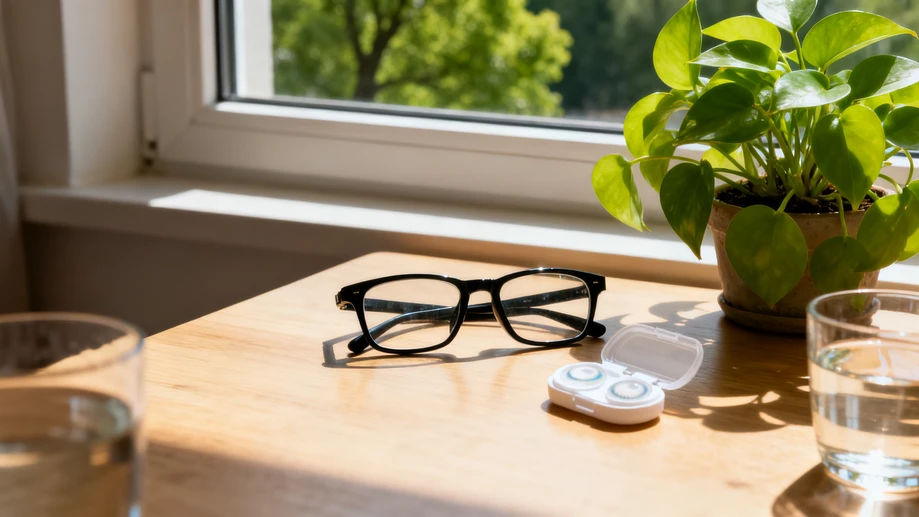
Several widely spread eye care myths have been misleading people for decades, and most of them do not hold up to simple real life testing. The idea that staring at green plants for a few seconds can instantly relieve eye strain is not true, for example: the color green itself has no special magic effect on eye muscles, the only reason the trick works is that green plants are usually placed more than 20 feet away from your position, and looking at faraway objects helps your ciliary muscle, which stays tight when you stare at nearby phone or laptop screens, fully relax. Another common wrong habit that millions of people follow is wearing soft contact lenses to take a 20 minute nap at their desk during lunch break: your cornea gets almost all its oxygen directly from the air instead of from blood vessels, and soft contact lenses block roughly 20 percent of oxygen flow even when you are fully awake. Even a short nap with lenses on can lead to mild corneal swelling that you cannot feel at all, and doing this regularly for months will leave you with chronic dry eye that takes a very long time to fix.
You may have picked up a bunch of hidden eye irritants in your daily routine without realizing it, and they are hurting your vision little by little. Most public swimming pools use chlorine to kill bacteria, but this chemical will destroy the protective lipid layer of your tear film if it comes into direct contact with your eye surface for more than 10 minutes, and unprotected eyes can easily pick up contagious conjunctivitis from tiny amounts of virus left behind by other swimmers. Your daily eye makeup products are also far more bacteria-ridden than you would guess: a standard liquid eyeliner that you have been using for three months without cleaning the tip carries three times more bacteria per square centimeter than the average public toilet seat, and regular use of an old contaminated eyeliner will clog your meibomian glands at the root of your eyelashes, leading to repeated painful styes that never fully go away.
The best eye protection habits do not require you to spend a lot of money on fancy high-tech products, and they are much simpler than you think. You do not need to buy expensive advertised "eye wash" products to clean your eyes every day, because the human eye has a fully developed self-cleaning system that flushes out tiny dust particles automatically every time you blink, and regular use of over the counter eye wash will wash away the natural lipid layer that keeps your eyes moist, making dry eye symptoms much worse. When you stay up late working and your eyes turn red, skip the cheap minty anti-redness eye drops you find at convenience stores: these products contain strong vasoconstrictors that make the red lines disappear in 10 minutes, but long term use will make your eye blood vessels more and more fragile, leading to permanent chronic redness. A small bottle of preservative-free artificial tear that matches your natural tear composition works far better for easing temporary eye fatigue, and costs less than half the price of those fancy marketing heavy products.