Are Carrots Actually Secret Agents for Better Vision?
Unmasking persistent eye health myths with science and a dash of humor
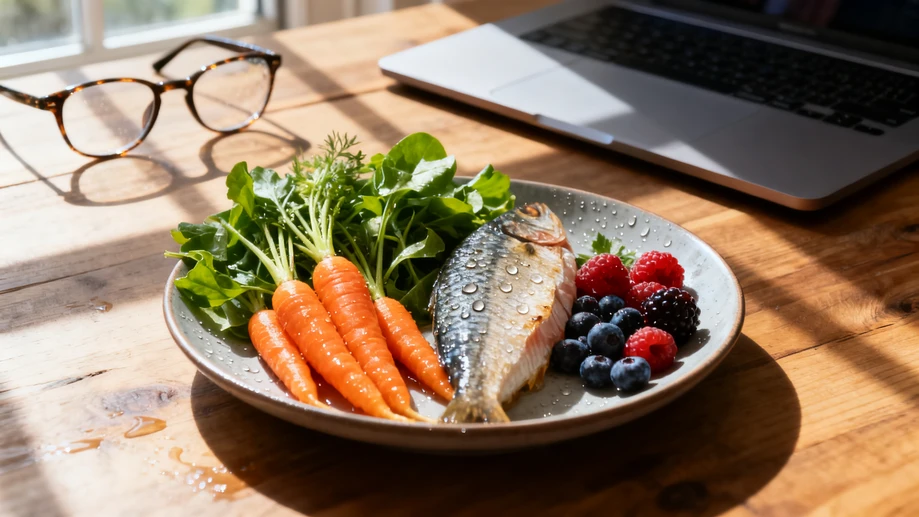
Grandma swore carrots transformed eyes into superhero vision goggles, but science whispers a different tale. While carrots contain vitamin A – essential for retina function – they don’t grant night vision superpowers. A 1940s British propaganda campaign exaggerated carrot benefits to hide radar technology, accidentally birthing this juicy myth. Truth is, dark leafy greens like spinach, packed with lutein and zeaxanthin, offer superior protection against age-related macular degeneration. So enjoy your carrots as crunchy snacks, not miracle cures. For real vision champions, think colorful plates: berries for antioxidants, fish for omega-3s, and eggs for zinc. Your eyes crave diversity, not just orange vegetables!
Ever been scolded for reading in dim light? Relax – your eyeballs won’t implode. Ophthalmologists confirm this widespread fear is pure fiction. While squinting in poor lighting causes temporary eye strain or headaches, it causes zero permanent damage. Your pupils simply dilate to absorb more light, like a camera adjusting its aperture. The real villain? Screen glare in pitch-black rooms. Blue light from devices combined with extreme contrast triggers digital eye fatigue. Solution: embrace ambient lighting. A softly lit room reduces pupil fluctuation, making Netflix marathons far more comfortable. Remember: your ancestors read by candlelight without evolving night-vision goggles.
That "weak eyes worsen with glasses" old wives' tale? Utter nonsense. Corrective lenses don't weaken your eyes like unused muscles; they're visual aids compensating for light refraction errors. Skipping glasses strains your eyes, potentially causing headaches or blurred vision – but doesn’t accelerate deterioration. Similarly, cheap reading glasses won't "ruin" your vision either. Think of glasses as crutches for your eyes: using them helps you walk (or see) better immediately without causing long-term dependency issues. Modern prescription lenses are precision tools, not traps designed by optical bogeymen. Embrace your frames – your eyes will sigh in relief.
Blue light panic has spawned a billion-dollar industry of amber-tinted glasses, but research paints a less alarming picture. While excessive screen time disrupts sleep cycles by suppressing melatonin, no conclusive evidence proves everyday blue light damages retinas. The American Academy of Ophthalmology doesn't recommend special glasses for general computer use. Instead of expensive filters, practice the 20-20-20 rule: every 20 minutes, gaze at something 20 feet away for 20 seconds. Better yet, position screens slightly below eye level to reduce dryness from wide-open eyes. Bonus tip: artificial tears combat screen-induced dryness better than blue-blocking fashion accessories.
Eyeballs don’t demand fancy spa treatments. Splashing cold water won’t "reset" tired eyes – though it feels refreshing! Vision exercises promising to ditch glasses remain controversial; studies show minimal improvement for refractive errors. Even the "looking at green objects rests eyes" concept is psychological. True eye care is refreshingly simple: annual check-ups catch glaucoma and cataracts early, UV-blocking sunglasses shield against retinal damage (yes, even in winter), and quitting smoking slashes macular degeneration risks. Remember, your eyes aren’t mysterious orbs requiring ancient rituals – they’re sophisticated organs thriving on straightforward care and common sense. Blind faith in myths? Now that’s truly shortsighted.