
5 Foods You're Ignoring That Could Save Your Vision
Delicious everyday ingredients secretly protecting your eyes from screen glare and time
Picture this: You're squinting at your computer screen after hours of Zoom calls, reaching for artificial tears while your eyes feel like sandpaper. What if your kitchen holds tastier solutions? Your eyes face constant battles against blue light, aging, and environmental stressors. Surprisingly, your grocery list could be a superhero squad in disguise. The right foods deliver antioxidants and essential nutrients that shield delicate retinal cells, filter damaging light waves, and preserve visual clarity. Forget exotic supplements – science reveals powerful vision protectors hiding in everyday meals.
Let's start unassumingly with eggs – nature's multivitamin for eyeballs. The yolk's vibrant yellow isn't just pretty; it's packed with lutein and zeaxanthin, two carotenoids accumulating in your retina like microscopic sunglasses. These pigments filter high-energy blue light from screens and sunlight. A Harvard study found people eating just 1.5 eggs daily increased macular pigment density by 20% within six weeks. Scramble them with the next champion: spinach. Dark leafy greens are vision goldmines, delivering those same carotenoids alongside vision-boosting vitamin C. The kicker? Cooking spinach in olive oil (a healthy fat) triples nutrient absorption.
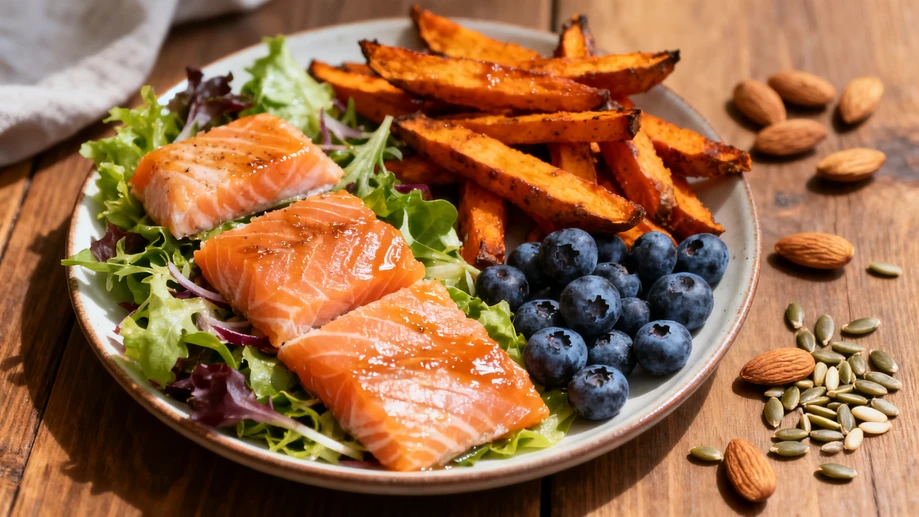
Now consider the fatty fish counterattack. Salmon, mackerel, and sardines swim with omega-3s (DHA specifically), composing 30% of your retina's structure. This "smart fat" maintains retinal cell fluidity and fights dryness by improving tear quality. Norwegian research showed office workers consuming omega-3-rich fish three times weekly reduced digital eye strain symptoms by 50% compared to placebo groups. Pro tip: Pair salmon with sweet potatoes – another unsung hero. Their orange hue signals beta-carotene conversion into vitamin A, which prevents night blindness. One medium sweet potato delivers 200% of your daily vitamin A needs.
Don't overlook nuts and seeds as crunchy vision allies. Almonds overflow with vitamin E, a powerful antioxidant shielding eyes from free radical damage. Just one ounce covers 50% of your daily E requirement! Sunflower seeds add zinc to the mix – a mineral ferrying vitamin A from your liver to retina. Low zinc levels correlate with poor night vision and cataract formation. Sprinkle these on yogurt with our final protector: blueberries. Their deep purple anthocyanins strengthen blood vessels supplying oxygen to the optic nerve while protecting cornea cells. Taiwanese researchers discovered blueberry extract users significantly reduced eye fatigue during prolonged computer use.
How easily can you deploy this edible armor? Start mornings with a lutein-rich spinach omelet sprinkled with sunflower seeds. Pack salmon salads with almonds for lunch. Roast sweet potato wedges for dinner dessert. Snack on blueberries instead of chips. These foods deliver synergistic effects – egg fats boost spinach's carotenoids while vitamin C in greens regenerates vitamin E from nuts. Consistency is key: retinal pigments build up over weeks. Your eyes work tirelessly; return the favor with every delicious bite.