Your Eyes Are Superheroes in Disguise!
Discover the astonishing hidden powers that make your vision a daily miracle.
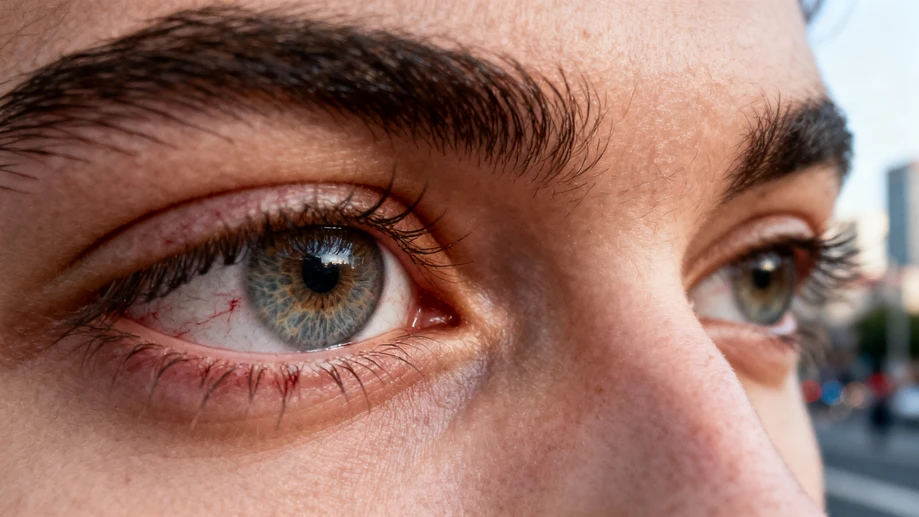
Imagine a world without color, movement, or depth—thankfully, your eyes are here to save the day! These remarkable organs work like tiny superheroes, capturing light through the cornea and lens, then converting it into electrical signals your brain translates as sight. In just milliseconds, they process thousands of details, from the vibrant hues of a sunset to the subtle expressions on a friend's face. What's truly mind-blowing? Each eye contains over a million nerve cells, working tirelessly to help you navigate life. Despite their incredible speed and precision, eyes remain vulnerable to everyday stresses like dust and sunlight. Understanding this natural marvel starts with appreciating how they constantly adapt, whether you're reading a book or spotting a bird in flight. It's a silent, unseen battle fought every second, all for the gift of seeing the world clearly.
But even superheroes have their kryptonite: common vision problems like nearsightedness and farsightedness. Millions of people worldwide struggle with blurred vision, often without realizing how simple habits trigger it. For instance, staring at screens for hours strains the eyes, causing temporary fatigue or long-term issues like digital eye strain, which feels like a dull ache behind your eyes. The science behind this is fascinating—our eyes evolved for hunting and gathering, not for endless scrolling on smartphones. When you focus up close for too long, the muscles around your eyes tire out, leading to headaches or even worsening prescriptions. The good news? Nature has built-in solutions. Blinking more often moisturizes the eyes naturally, while taking regular breaks to gaze at distant objects helps reset focus. Ignoring these signs could turn minor annoyances into serious conditions, yet awareness makes all the difference in preserving your sight.
Protecting these unsung heroes starts with daily routines you can easily adopt. Think of it as superhero training for your eyes: incorporate a balanced diet rich in leafy greens and omega-3s to nourish retinal cells, and always wear UV-blocking sunglasses outdoors to shield against harmful rays. Simple actions like adjusting your screen brightness to match room lighting can prevent eye strain. Real-life proof? People in sunny climates often develop better habits, like using wide-brimmed hats, which reduce glare and lower risks of cataracts over time. Another underestimated trick is the 20-20-20 rule—every 20 minutes, look at something 20 feet away for 20 seconds. It's a small step, but consistently applied, it keeps your vision sharp and prevents fatigue. By making eye health part of your daily grind, you empower your sight to perform at its peak, ensuring those everyday wonders stay vivid.
Now for some fun eye myths busted—no, carrots aren't magic vision boosters! While vitamin A in carrots helps maintain healthy eyes, it won't give you night vision like an urban legend claims. The real powerhouse? Berries and nuts, packed with antioxidants that combat age-related decline. Another common misconception is that sitting too close to the TV ruins your eyes; in reality, modern screens emit low levels of radiation, so it's more about causing temporary strain than permanent damage. The quirkiest fact? Everyone has a blind spot in each eye where the optic nerve connects, but your brain cleverly fills it in with surrounding details—imagine a built-in photo editor! This debunking shows that eye health isn't about grand gestures but practical knowledge. Armed with facts, you can laugh off old wives' tales and focus on what truly works.
Regular eye check-ups are your secret weapon, acting like annual tune-ups for your vision machine. Catching issues early, such as glaucoma or macular degeneration, can prevent irreversible loss. Many people skip visits, thinking "if it ain't broke, don't fix it," but subtle changes like slightly blurred lines or frequent headaches are warning signs. A professional exam detects hidden problems, using tools like the eye chart to measure sharpness or a dilated pupil test to spot internal damage. The payoff? For example, diabetics can manage blood sugar better with routine checks to avoid vision-threatening complications. As you step out into the world today, remember that safeguarding your eyes isn't just self-care—it's embracing the hero within you. So, book that appointment, share these tips with friends, and let your amazing vision continue to inspire daily adventures.