4 Eye Health Habits You Thought Were Helping (But Aren't)
And What You Should Actually Be Doing to Protect Your Peepers
We all want healthy, comfortable eyes, especially in this digital age where screens dominate our days. Many common "eye care" habits are passed around like gospel truth, often shared online or by well-meaning friends. But what if some of these go-to tricks are actually doing zilch for your peepers, or worse, causing subtle harm? Let's shine a light on four surprisingly common eye care "myth-behaviors" and ditch them for truly effective strategies.
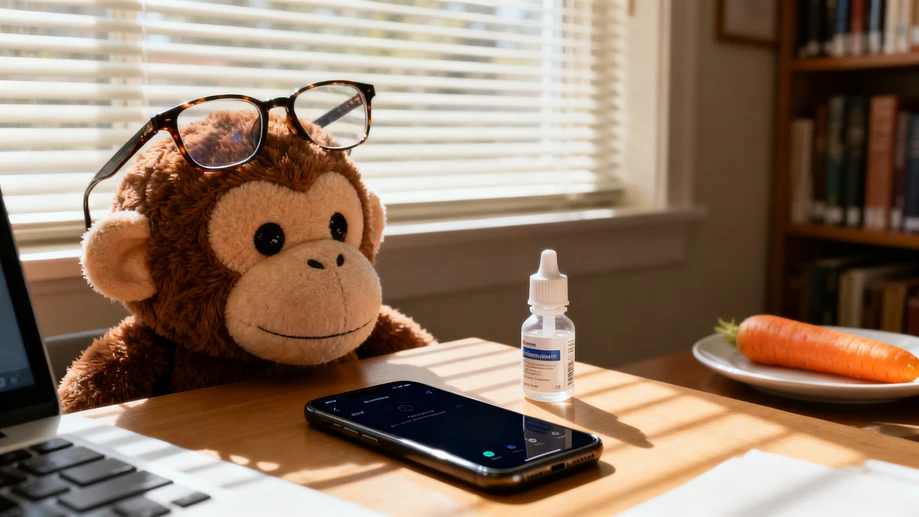
First up: the overzealous use of eye drops. Those little bottles promise instant relief from redness and dryness, making them a desk drawer staple. But grabbing them every time your eyes feel slightly tired or look pinkish is a classic misstep. Many popular redness-relief drops contain vasoconstrictors that temporarily shrink blood vessels for that "whiter" look. However, overuse leads to rebound redness – your eyes become dependent, needing more drops more frequently to avoid looking bloodshot. Even worse, they can mask underlying issues like dry eye disease or allergies. Instead, opt for preservative-free artificial tears (lubricating drops) *only* when genuinely needed for dryness or mild irritation. If redness persists or you feel constant discomfort, skip the DIY drops and see an eye doctor – treating the root cause beats masking the symptom.
Next, let's talk about the "Dark Mode Deception." You've probably heard that switching everything to dark mode – black backgrounds with white text – is a panacea for tired eyes. While it *might* feel subjectively better for some people in low-light environments, the science isn't so clear-cut. High contrast between bright text and a very dark background can sometimes cause something called the "halation effect," where text appears to glow or blur slightly, potentially increasing eye strain for some users. Furthermore, long reading sessions on dark mode might actually be harder for your eyes to focus on. The real MVP? Reducing overall screen glare and managing brightness intelligently. Ensure your screen brightness is roughly equal to the ambient light around you (not drastically brighter or dimmer), use an anti-glare screen protector if needed, and position your screen so windows don't cause reflections. Remember the 20-20-20 rule: every 20 minutes, look at something 20 feet away for 20 seconds. This habit does more heavy lifting for eye comfort than dark mode ever could.
Here's another one: the "Arm's Length Screen Rule" might not be your best friend. We've all been told to hold our phones or position our monitors at arm's length to protect our eyes. While holding a phone super close isn't ideal, rigidly adhering to an arbitrary distance isn't the solution either. Our eyes have incredible focusing muscles (ciliary muscles), and constantly straining to focus on screens positioned just beyond our natural comfortable near point *can* actually contribute to fatigue. The key is finding *your* individual sweet spot. Sit or hold your device at a distance where text appears sharp and clear *without* you needing to squint, lean forward, or feel any tension around your eyes. This distance varies from person to person. Comfort is king – if you can read effortlessly without strain, that's your zone. For computers, a good starting point is about 20-28 inches from your eyes, with the top of the screen slightly below eye level.
Finally, ditch the "Carrot Cure-All" mindset. While carrots (and other vitamin A-rich foods like sweet potatoes and leafy greens) are genuinely good for overall eye health and help support night vision, they are not a magical shield against modern eye strain woes like computer vision syndrome or progressive myopia. Binging on carrots won't counteract hours of unfiltered blue light exposure or undo the effects of poor posture and screen habits. Comprehensive eye protection involves managing environmental factors: use high-quality blue light filtering glasses if you're on screens for extended periods (though evidence on their benefit is mixed, some find them helpful), ensure proper lighting in your workspace (avoid overhead fluorescent lights directly causing screen glare), and don't forget the crucial importance of regular, comprehensive eye exams. Nutrients matter, but a balanced diet rich in leafy greens (lutein and zeaxanthin), omega-3s (from fish), and vitamins C and E is far more effective than an orange-tinted miracle cure.
Protecting your eyesight in the 21st century requires moving beyond catchy but ineffective myths. Forget the constant eye drops, the dark mode hype, rigid screen distances, and overblown carrot claims. Focus instead on the fundamentals: manage brightness and glare, prioritize comfortable viewing distances, take frequent screen breaks using the 20-20-20 rule, use *appropriate* lubricating drops sparingly, eat a balanced diet rich in diverse eye-healthy nutrients, wear UV-protective sunglasses outdoors religiously, and schedule regular check-ups with your eye care professional. By sidestepping these common pitfalls and adopting genuinely supportive habits, you'll see the difference in comfort and clarity for years to come.