7 Tiny Unnoticeable Daily Habits That Make Your Eyes Feel Far Less Tired After 8 Hours Of Screen Time
This casual popular science piece breaks down zero-cost easy eye care tips that fit completely into your existing daily routine without requiring extra money or complex operations
Almost every person who uses digital devices for work has experienced that familiar end-of-workday eye burn, when you try to focus on a document and the words blur at the edges, or you step outside and the bright afternoon sun feels so harsh you have to squint for 10 minutes before adjusting. Most people write this feeling off as an unavoidable side effect of modern life, and reach for the nearest bottle of minty cooling eye drops to get 15 minutes of temporary relief, never stopping to think that the small, unthinking choices you make every few minutes are the real source of that constant eye strain. You do not need to pay for expensive blue light glasses, specialized medical eye care courses or high-end smart eye massagers to solve this common problem, because the most effective eye protection habits are all hidden in the tiny moments you already live through every single day.
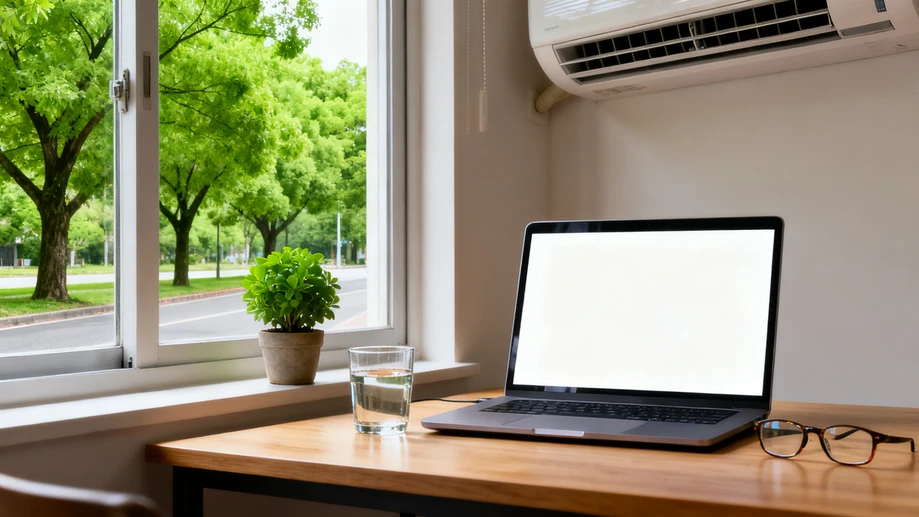
You have probably heard the famous 20-20-20 rule that asks you to look 20 feet away for 20 seconds every 20 minutes of screen time, but almost no one knows the tiny fine print that makes this rule actually work. The far away object you look at does not count if it is another computer screen across the office, or a distant TV on the other side of your living room, because your eyes will still be adjusting to a bright, pixelated light source instead of letting the ciliary muscle completely relax. The best thing to look at is the top of a street tree outside your window, a stray cat wandering on the sidewalk, or a cloud drifting slow across the sky, objects with no defined fixed edges that your eyes can rest on without forcing any focusing effort. You can also make one tiny adjustment to your screen brightness to cut eye strain by nearly half immediately, by dragging your screen brightness slider until it matches the exact brightness of the plain white wall next to your monitor, rather than cranking the brightness all the way up to the maximum setting.
Plenty of common small actions that you do without thinking every day are doing far more damage to your eye health than you realize, and swapping them out for a simple alternative will make a massive difference in how your eyes feel by the end of the week. Stop rubbing your eyes roughly with your bare hands the second you feel a little itch, because the surface of your hands picks up thousands of tiny dust particles, residual keyboard grime and stray pollen bits over the course of the day, all of which get rubbed directly into the thin sensitive surface of your conjunctiva and cause chronic low-grade inflammation that never seems to fully go away. Skip the over-the-counter eye drops that market extreme cooling effects for regular daily use too, as most of these products contain added vasoconstrictors that make redness disappear quickly for a short time, but lead to worse rebound redness and drier eyes once their effect wears off. The fastest zero-cost way to soothe dry eyes is to force yourself to do 10 full blinks, where you close your eyelids completely and hold them shut for two seconds each time, to spread a full even layer of natural tear film across the entire surface of your eyeball.
You do not need to rearrange your entire meal plan or spend extra money on expensive nutritional supplements to support long term eye health, because the small tweaks you make to your existing daily habits deliver far better results than any pricey supplement can offer. When you order takeout or pack a lunch for work, add one small side portion of dark leafy greens like spinach or kale, or a small pack of fresh blueberries once every two days, to get natural lutein that absorbs far more efficiently in your body than the concentrated lutein found in standalone supplement pills. Adjust the vent of the air conditioner or desktop fan at your workspace so it never blows directly at your face, because direct moving air can speed up the evaporation of your natural tear film by nearly three times, leading to that scratchy dry feeling that makes you feel like you have sand under your eyelids after a couple of hours. Never scroll through your phone in full darkness while lying in bed right after you wake up, either, since your eye muscles are fully relaxed after hours of sleep, and holding a bright small screen inches from your face can lead to temporary blurry near-sightedness that sticks around for hours, and slowly develops into permanent myopia if you repeat the habit every day.
Eye care is never a complicated grand project that requires hundreds of dollars of specialized equipment or hours of scheduled maintenance time out of your busy day. You do not need to change all your existing habits at once, you can start with just one tiny adjustment this week, like remembering to do three full blinks every time you click to a new webpage, then add the habit of glancing out the window at a faraway tree for a couple of seconds every time you stand up to get a glass of water. Within two weeks, you will notice that the familiar dull ache behind your eyes that used to hit you at 3 PM every workday is completely gone, and you can keep working or reading without that blurry tired feeling long after your work shift ends. Over months of sticking to these tiny low-effort habits, you will protect your natural vision far better than any expensive fancy eye care product ever could.