Will Sitting Too Close to the TV Actually Ruin Your Eyes?
Unmasking 5 Vision Myths That Are Secretly Sabotaging Your Sight
Remember those childhood warnings about sitting too close to the television? Generations grew up convinced that eyeballs could literally fry like eggs on a sidewalk if they dared to watch cartoons from the sofa's edge. That ominous threat, whispered by well-meaning parents and echoed in school hallways, belongs firmly in the realm of eye health folklore. Our peepers are remarkably resilient organs facing far more modern adversaries than the proximity to a glowing screen. Let's pull back the curtain on the persistent tall tales and uncover what truly matters for keeping our windows to the world crystal clear.
The biggest offender? The enduring myth that reading in dim light damages your vision. While squinting at a novel under a flickering lamp might cause temporary eye strain or headaches, it won't permanently warp your corneas or doom you to glasses. Your eyes are adaptable marvels, not delicate china. Similarly, the beloved carrot myth – while packed with vitamin A good for overall eye health – won't grant you superhero night vision. Eating a bushel won't let you spot a mouse in pitch darkness, alas. Another widespread fallacy insists that wearing glasses or contacts weakens eyes over time, making you dependent. This is pure fiction; corrective lenses simply focus light correctly onto your retina, like tuning a blurry radio station into clarity. Skipping them when needed, however, forces your eyes into exhausting overtime.
Perhaps the most surprising debunking involves the "20-20-20 rule" fanatics. While looking away from screens every 20 minutes is excellent advice to combat digital eye strain (that gritty, tired feeling), the notion that screen light itself emits harmful "radiation" melting your retinas is pure techno-phobic fantasy. Your phone isn't a mini microwave for your eyeballs! The blue light emitted is no more dangerous than natural daylight, though its stimulating effect can disrupt sleep cycles if binge-scrolled before bed. The real modern villain isn't the screen's glow, but our marathon staring sessions without breaks, leading to dryness and fatigue that mimic more serious symptoms.
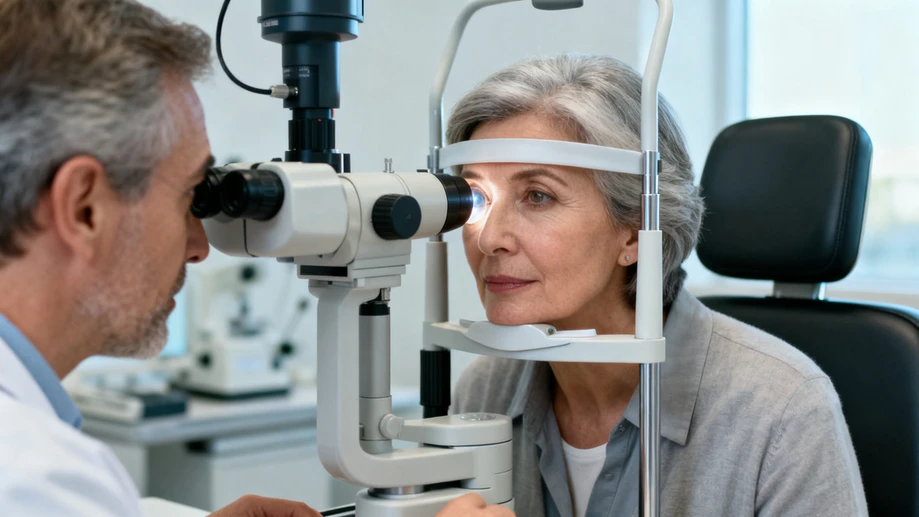
So, what actually protects those precious orbs? First, shield them from the genuine threat: the sun's ultraviolet rays. Quality UV-blocking sunglasses aren't just a fashion statement; they're essential armor against cataracts and macular degeneration. Second, blink! Seriously. We blink half as often while glued to devices, inviting dry, irritated eyes. Third, prioritize regular, comprehensive eye exams – not the quick chart check at the mall. These detect silent thieves of sight like glaucoma long before symptoms appear. Fourth, manage chronic conditions like diabetes meticulously; uncontrolled blood sugar is a leading cause of adult blindness. Finally, ditch the smoke: lighting up restricts blood flow to the optic nerve, accelerating eye disease. True eye care isn't about fearing televisions or devouring carrots; it's practical, science-backed habits woven into daily life.
Our eyes navigate a world flooded with pixels, pollutants, and persistent old wives' tales. By swapping fear for facts – understanding that screens won't cook your corneas but UV rays absolutely can, that carrots help but kale does too, and that glasses are tools, not crutches – we empower ourselves. The path to lifelong clear vision isn't paved with restrictive myths, but with informed choices: sunglasses on sunny days, intentional screen breaks, veggies on your plate, and consistent check-ins with your eye doctor. Now that's a sight for sore eyes.