Do Carrots Really Give You X-Ray Vision?
Debunking 5 Eye Health Myths That Blindside Smart People
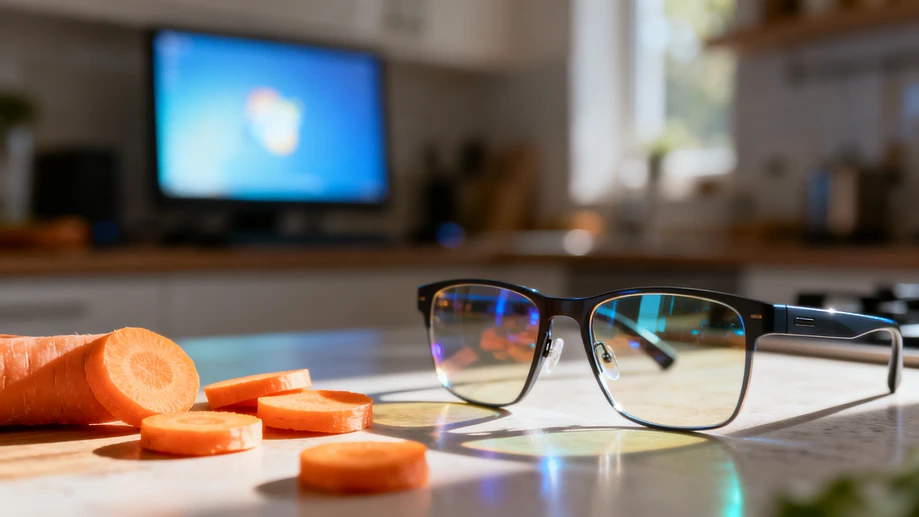
For decades, carrots have been touted as the ultimate vision-boosting superfood. Parents worldwide coax vegetables onto plates with promises of night vision like superheroes. But here's the eye-opening truth: this myth originated from WWII British propaganda designed to hide their radar technology successes! While carrots contain beta-carotene which converts to vision-protecting Vitamin A, they won't give you owl-like night vision or prevent nearsightedness. The real secret? A balanced diet with leafy greens, fish rich in omega-3s, and colorful berries containing antioxidants. Your eyes need a nutritional symphony, not a carrot solo.
Another persistent tale claims reading in dim light ruins your eyesight. Rest easy, bookworms – that's as fictional as the novels you're devouring under blankets. Ophthalmologists confirm that while low light causes temporary eye strain and headaches from squinting, it causes zero permanent damage. Your eyes are remarkably adaptive instruments. Think of it like exercising muscles: they might feel fatigued, but they grow stronger. The real threat? Staring at screens for hours without breaks. Pro tip: follow the 20-20-20 rule. Every 20 minutes, look at something 20 feet away for 20 seconds. Your blinking-starved corneas will thank you.
"Wearing glasses weakens your eyes!" This myth stubbornly persists despite being optical nonsense. Prescription lenses correct focus issues like a wheelchair aids mobility – they don't cause muscle atrophy. In fact, squinting at blurry text strains eyes more. Research shows uncorrected vision in children can actually accelerate myopia progression. Another glasses-related fallacy? "Cheap readers from drugstores are harmless." Wrong. Ill-fitting magnification can induce headaches and nausea faster than a rollercoaster ride. Your eyes have unique prescriptions as individual as fingerprints. Get professionally fitted – it's non-negotiable.
Green screen saviors? Many believe staring at lush plants protects eyes from digital strain. Alas, emerald walls won't shield you from computer glare. This myth likely mixes color psychology (green feels calming) with misunderstood science. What does work? Positioning monitors at arm's length with tops at eye level to minimize neck strain. Adjust screen brightness to match ambient lighting – no more glowing like a lighthouse in dark rooms! Blue light filters offer modest relief, but physical distance remains your best defense. Remember: no pixelated landscape, no matter how verdant, replaces looking at actual horizons.
The ultimate horror story? "Eye exercises can replace glasses!" While focusing exercises help with certain muscle coordination issues, they can't reshape corneas or eliminate cataracts. Beware of viral videos promising "30-day perfect vision without lenses." Legitimate vision therapy exists for specific conditions like convergence insufficiency, but it's prescribed by professionals, not internet gurus. Significant improvements often require evidence-based solutions: updated prescriptions, UV-blocking sunglasses preventing 20% of cataracts, or surprise – cataract surgery itself. The real magic happens in ophthalmologists' offices, not trending TikTok tutorials.