You Have Been Caring For Your Eyes All Wrong This Whole Time
This casual fun guide covers tiny easy daily eye care tricks that fit right into your busy schedule without fancy expensive products or extra time taken from your routine.
Think about the first action you take the moment you roll out of bed every morning, and the last thing you do before you fall asleep at night. For most people, the answer is grabbing a phone to scroll through social media, check unread messages or watch short clips. This non-stop screen exposure makes your eyes work nonstop for 12 to 16 hours a day, but most people only reach for a random bottle of eye drops when they feel stinging dryness or blurry vision, never realizing most of their small daily habits are quietly hurting their eyes without notice. A lot of people rub their eyes hard the second they feel a little itch or blurriness after waking up, not knowing there are thousands of tiny dust particles and invisible bacteria stuck on their palm surface, and the rough rubbing motion will scratch the thin surface layer of your eye, or break the tiny blood vessels under the skin around your eyes that lead to dark circles that never fade. Most people do not even realize their blinking rate drops from the normal 15 times per minute to only 4 or 5 times when they are fully focused on a screen, which means the protective tear film covering your eyeball breaks apart every 10 to 15 seconds, leaving the sensitive eye surface exposed to dry indoor air for hours at a time. That random heavy eye soreness you get after a two hour work meeting does not mean you are tired, it usually just means your eyes have been “running naked” without enough tear protection for way too long.
You have probably heard of the 20-20-20 rule a hundred times, but 90 percent of people use this method completely wrong, so it never actually works for them. The rule does not mean you glance at a random distant object for 20 seconds while still holding your phone in your hand, it asks you to put down all electronic devices completely, turn your gaze to an object that is at least 20 feet away, and let your eyes rest fully for 20 whole seconds. You do not need to set a loud annoying alarm to remind you to do this, you can just stick a small colorful post note on the edge of your monitor, and every time you reach the end of a document or finish sending a work email, you turn to look at the top of the tall tree outside your office window. Each 20 second break will not break your work flow or waste any of your time, if you do this every hour during a full 8 hour work day, the total extra time you spend on eye care adds up to less than 3 minutes total, which is far shorter than the time you spend waiting for a video to load on your social media feed. Many people skip this small step just because they think they are too busy, but the 10 minutes you spend rubbing your sore eyes or trying to clear blurry vision later after a long work session will cost you far more time than these tiny 20 second breaks.
A lot of the popular viral eye care products you see recommended online actually do more harm than good for your daily eye health, and many people fall for these fancy marketing traps without noticing. Those over marketed eye drops that promise to clear all redness in 30 minutes work by shrinking the tiny blood vessels on your eye surface instantly, but if you use these drops for more than three days in a row, your blood vessels will start to rebound and expand even wider, making the redness far worse than it was the first time you used the drops. Those thick hard pressure eye masks that claim to offer 3D deep sleep support push directly against your eyeballs when you wear them for a midday nap, and the extra pressure will change your temporary eye shape for hours after you take the mask off, leaving you confused when you can not read your screen clearly for the first 10 minutes after waking up. All you actually need for daily eye protection is a box of preservative free single use artificial tear drops that cost less than 10 dollars, and a thin soft cotton eye mask that blocks all light without pressing against your eyes at all, no fancy high tech expensive gear required.
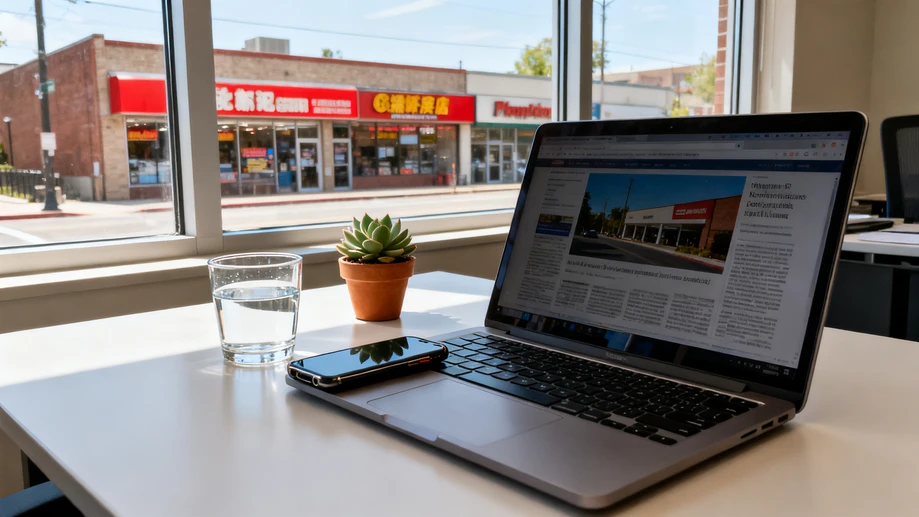
There are a bunch of tiny zero cost movements you can add to your daily routine to relax your over strained eye muscles, without any special tools at all. The next time you stand up to get a cup of water from the office kitchen, you can stop by the window and do 5 rounds of near and far focus practice, you first look at the tiny potted succulent on your window sill for 10 seconds, then shift your full gaze to the shop sign on the other side of the street for another 10 seconds, repeat the cycle a few times and you will feel all the tightness around your eye sockets fade away almost instantly. Never try to read a book or scroll through long articles on a crowded bumpy bus or subway during your commute, the constantly shifting distance between your eyes and the screen will force your eye muscles to adjust their focus hundreds of times in just 20 minutes, and you will end up with a heavy pounding headache that sticks with you for the first hour after you get to work. If you do not want to waste your commute time, you can just close your eyes and listen to a favorite podcast, it gives your overworked eyes a short 20 minute vacation that works far better than any expensive eye massage you can book at a spa.
You also do not need to buy hundreds of dollars worth of imported eye health supplements to keep your eyes in good shape, all the nutrition your eyes need can be found in common cheap food you can find at any local grocery store. The lutein that protects your retina is abundant in dark green leafy vegetables, regular eggs and bright orange fruits, eating one small portion of spinach or two hard boiled eggs every day is more than enough to cover your daily lutein requirement, no fancy overpriced supplements needed. One tiny adjustment most people never think of is moving the vent of your desktop air conditioner away from your face, if the cold dry air blows directly at your eyes for hours during a summer work day, your tear film will evaporate way faster than it can reproduce, leaving you with a stinging uncomfortable sensation that even several bottles of eye drops can not fix. Keeping a small cup of warm water next to your desk will add a little extra moisture to the small air space around your face, and this tiny simple trick will reduce dry eye symptoms far more effectively than most expensive eye care products on the market. Once you start adding these small easy habits to your normal daily life, you will notice your sore tired eyes feel way more relaxed in less than a week, no complex steps or huge budgets required at all.