5 Eye Health Myths You Probably Still Believe
Truths That Will Change How You See the World
In the world of eye health, navigating the sea of information feels like trying to read the fine print on a medicine bottle without your glasses. Myths and half-truths about our precious peepers persist, often passed down like outdated prescription lenses. Let's shine a bright light on five stubborn eye health myths, debunk them with science, and equip you with vision-friendly truths.
Myth number one tops the chart: "Eating carrots gives you superhuman night vision." While your grandmother meant well, this wartime propaganda relic oversimplifies. Carrots are rich in beta-carotene, which your body converts to vitamin A – crucial for *maintaining* good vision, especially in low light. But popping carrots like candy won't grant you owl-like nocturnal powers nor cure existing vision problems. A deficiency in vitamin A *can* cause night blindness, but loading up beyond what your body needs provides no extra benefit. The real key? A balanced diet packed with a rainbow of fruits and veggies (think dark leafy greens, sweet potatoes, berries) supplying lutein, zeaxanthin, and vitamins C and E – all vital antioxidants protecting your retina from age-related damage. Imagine your plate as a shield for your eyes.
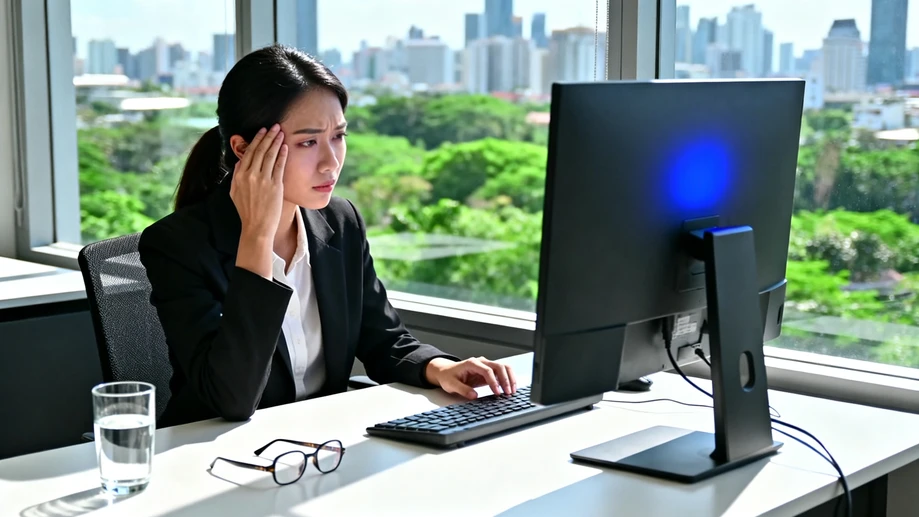
Next, the pervasive dread: "Staring at screens will permanently ruin your eyesight." The blue light emitted by our digital companions won't scorch your retinas or directly cause permanent damage leading to blindness. However, prolonged, intense screen time is a major culprit behind digital eye strain (or computer vision syndrome). Symptoms include dry, irritated eyes, headaches, blurred vision, and neck or shoulder pain – essentially, your eyes are shouting for a break. It's the modern equivalent of reading a tiny-font book non-stop under poor light. The solution isn't ditching devices but practicing smart habits: follow the 20-20-20 rule (every 20 minutes, look at something 20 feet away for 20 seconds), ensure proper screen distance and lighting, use artificial tears if needed, and consider blue light filtering options if strain is severe. Think of it as ergonomics for your eyes.
Then there's the misleading comfort of genetics: "If my parents have perfect vision, I'm safe from needing glasses." While genetics play a *role* in conditions like myopia (nearsightedness), hyperopia (farsightedness), astigmatism, or glaucoma, they are far from the sole dictator of your eye destiny. Environmental factors, especially during childhood and adolescence, significantly impact visual development. Extensive near work (reading, close-up screen use) and insufficient time spent outdoors in natural light are strongly linked to the rising global epidemic of myopia. Lifestyle choices like smoking, poor diet, and uncontrolled conditions like diabetes also dramatically influence eye health risks. You can't swap your genes, but you can absolutely nurture your eye health through smart choices. Consider your parents' vision more like a hint, not a guarantee.
Finally, the seductive promise of effortless fixes: "Doing eye exercises can eliminate the need for glasses." Vision therapy, guided by professionals, can be effective for specific issues like convergence insufficiency (eye teaming problems) or certain types of amblyopia (lazy eye). However, no amount of rolling your eyes or tracing figure eights will reshape your eyeball or correct common refractive errors like myopia, hyperopia, or presbyopia (age-related near vision loss). These conditions stem from the physical structure of the eye – the length of the eyeball or the focusing power of the lens. Exercises won't reverse these anatomical realities any more than leg lifts will make you taller. Relying on unproven exercises instead of proper correction (glasses, contacts, or surgery if suitable) can lead to persistent strain, headaches, and potentially worsening vision. Preserve your energy for the gym; for clear vision, trust optometry.
Armed with these truths, protecting your vision becomes clearer. Prioritize comprehensive eye exams regularly (often recommended every 1-2 years, or as advised by your eye doctor), embrace a nutrient-rich diet, master smart screen habits, wear UV-blocking sunglasses religiously outdoors, and ditch smoking. Don't let myths blur the path to lifelong eye health. Your future self, enjoying the vivid details of the world, will thank you for seeing through the fiction.