Can You Really Protect Your Eyes Without Giving Up Your Favorite Screen Time
This accessible fun popular science article introduces tiny low-effort daily eye care habits that perfectly fit into modern people's busy schedules without asking anyone to cut down on entertainment screen time.
If you have ever dragged your tired eyes through a 9-to-5 workday full of nonstop video meetings, then come home to 3 hours of drama binging and short video scrolling before bed, you must have run into dozens of eye care reminders that sound far too harsh to follow. Many of those guides tell you to cut down screen time by half, put away all your digital devices 2 hours before bed, or spend hundreds of dollars on specialized eye care devices and rare imported supplements that are supposed to fix all your eye strain issues. For most people living in a digital-first world, those requirements are almost impossible to stick to for more than 3 days, not to mention turning them into long term daily habits that actually make a difference to your long term eye health. The good news is you never need to make those extreme sacrifices to keep your eyes in good condition, all it takes is a handful of micro-adjustments to the tiny actions you already do every single day, no extra time or extra money required at all.
The first easy habit you can pick up today is tied to the regular water drinking breaks that most health guides already recommend you take. Instead of setting a separate annoying 20 minute timer to remind you to look away from your screen, simply tie your eye rest action to the moment you finish drinking a glass of water or walk to the water cooler to refill your cup. The second you lift your head from your desk to grab your water bottle, shift your gaze all the way to the farthest object you can see through the nearest window, be it a big old tree two blocks away, a distant rooftop sign, or even a flying bird passing by in the sky. You do not need to stare at that object for 20 full seconds, even 6 to 8 seconds of distant view is enough to release the tense ciliary muscle that has been squeezing tight for your close-up screen view, and you will not even notice that you have done a full eye rest session before you get back to work. Most people who have tried this tiny trick report that their usual afternoon blurry vision and heavy eye feeling disappears within 3 days, with zero disruption to their work flow.
Another extremely low effort habit that almost no one talks about is linking full blinking actions to the notification sounds that pop up on your phone or laptop all day long. Studies on screen user behavior show that the average person blinks 60 percent less often when they are focused on a screen, and half of the blinks people do during that time are incomplete half-blinks that do not spread the tear film evenly across the entire surface of the eyeball. The next time you hear a new message ping or a desktop notification pop up, pause for one second and blink fully three times: close both eyelids completely tight for half a second, then open them slowly, no extra effort or attention required. You do not need to do this for every single notification you get, even doing it for one out of every three alerts is enough to keep your eyes well lubricated for the entire day, so you never have to reach for lubricating eye drops just to stop the stinging dry feeling from setting in after a long day of screen use.
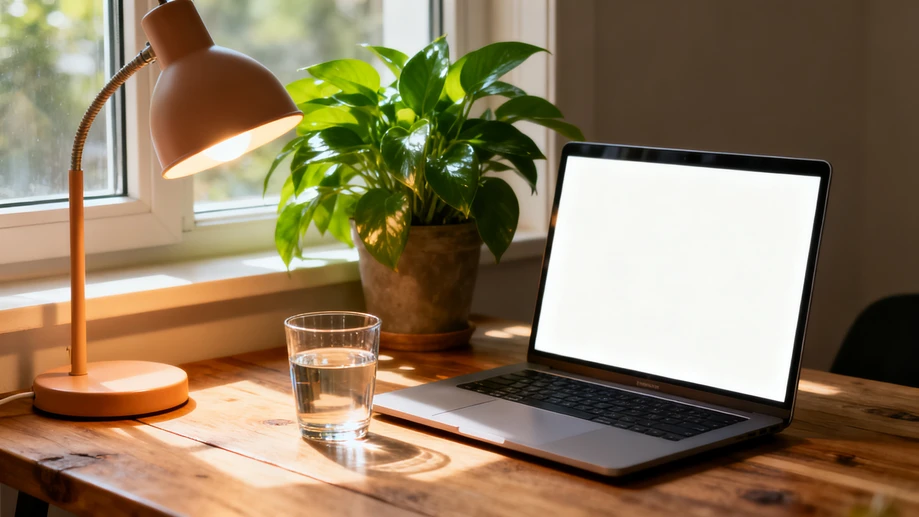
Most people ignore tiny lighting adjustments that can cut down over 70 percent of unnecessary daily eye strain, and those adjustments take less than 10 seconds to complete. If you work at a desk with a laptop, place your secondary desk lamp on the opposite side of your dominant writing hand, so your hand will never cast a dark shadow over the document you are typing or writing on, and the light will never reflect directly into your eyes off the smooth surface of your screen. Then adjust your screen brightness slowly until it matches the exact brightness level of the wall right behind your screen, no more, no less. You will notice right away that the subtle hidden headache you used to get after 2 hours of nonstop screen work vanishes completely, because your eyes no longer have to constantly adjust between two wildly different brightness levels every time you shift your gaze from your keyboard to the screen to the surrounding room. Even when you are scrolling on your phone in bed at night, just turn on a dim warm white side lamp instead of turning off all the room lights, that single small change will reduce the pressure on your retina by a huge margin with zero impact on your usual bedtime relaxation routine.
The last tiny habit that most people have never considered is to avoid looking at small screens while your body is in a tilted or moving position for a long time. A lot of people are used to scrolling through short videos on a bumpy subway commute, or lying on their side in bed holding their phone right next to their face for hours before they fall asleep. When your body is tilted to one side, the pressure difference between your left and right eye increases rapidly, and the constantly shaking screen during a bumpy ride forces your ciliary muscle to tense up and relax hundreds of times per minute trying to keep the text in focus, putting extra invisible strain on your eyes that you do not even notice at first. If you really want to watch a show on your commute, sit straight and hold your phone at least 40 centimeters away from your face, and if you want to relax in bed before sleep, prop your phone up on a soft pillow placed right over your chest, so you do not have to tilt your neck or twist your face to view the screen clearly.
At the end of the day, good eye care is never some grand, complicated project that requires you to rearrange your entire daily schedule or give up all the small enjoyable moments of your digital life. All those tiny little adjustments add up over weeks and months to form a gentle protective layer for your eyes, so you can keep enjoying your favorite shows, chat with your friends online, and finish all your work tasks smoothly, without having to deal with sore, blurry, tired eyes that ruin the rest of your day. You do not have to start all these habits at once, you can pick one tiny trick that fits your daily routine best and try it out tomorrow, and you will be shocked by how big of a difference it makes after just a few days.