Why Do Your Eyes Feel Tired Even After 8 Full Hours Of Sleep?
This lighthearted deep dive into hidden daily eye care habits helps you say goodbye to chronic dry eye and blurred vision with zero extra cost.
Most people start their day by reaching for the smartphone the second they roll out of bed, scrolling through social media feeds while still half curled under the blanket, and barely pause to rub their peepers before jumping into back-to-back work tasks that sit them right in front of a glowing monitor for the next 7 to 9 hours. Many of us have accepted sore, heavy eyes as a normal part of modern digital life, and we often blame that persistent late-afternoon eye fatigue on not getting enough rest, even when we have clocked a full 8 hours of uninterrupted sleep the night before. That confusion is far more common than you might think, and the root cause is never a lack of sleep, but a bunch of tiny, unnoticeable daily habits that put unneeded strain on your ocular system without you ever realizing it.
The most overlooked cause of constant eye strain is actually the drop in your natural blink rate when you are focused on a digital screen. Under normal relaxed conditions, a person blinks roughly 12 to 15 times per minute, which spreads a thin, even layer of tear film across the surface of the eye to keep it moist and protected. But when you are focused on typing a work report, editing a short video or catching up on a drama plot, your blink rate drops to as low as 3 to 5 times per minute, which means the tear layer evaporates much faster than your body can replenish it, leaving the surface of your eyes dry and irritated for hours on end. The widely shared 20-20-20 rule is useful, but you do not have to set a strict timer to follow it; simply reminding yourself to blink fully twice every time you hit the enter key on your keyboard can bring 80 percent of the same relief, no extra tools required.
A lot of other small environmental details around your daily space can also quietly add to your eye burden, even when you do not feel obvious discomfort at first. For example, if your desk lamp is placed directly behind your monitor, the harsh light will reflect off the glass screen and force your eye muscles to contract constantly to adjust to the uneven light levels, and you might end up squinting slightly for two full hours of work without even noticing you are doing it. If you sit next to a large window at work, the slanted afternoon sunlight that hits your screen unfiltered can create the same strain, and the long-term effect will add up to constant blurry vision by the end of the work week. Lying on your side to scroll through your phone in bed before sleep is another hidden trigger, as it puts uneven pressure on one eye and pushes your two eyes to work at drastically different focal distances, leading to a widening gap between the prescription of your left and right eyes over a few short months.
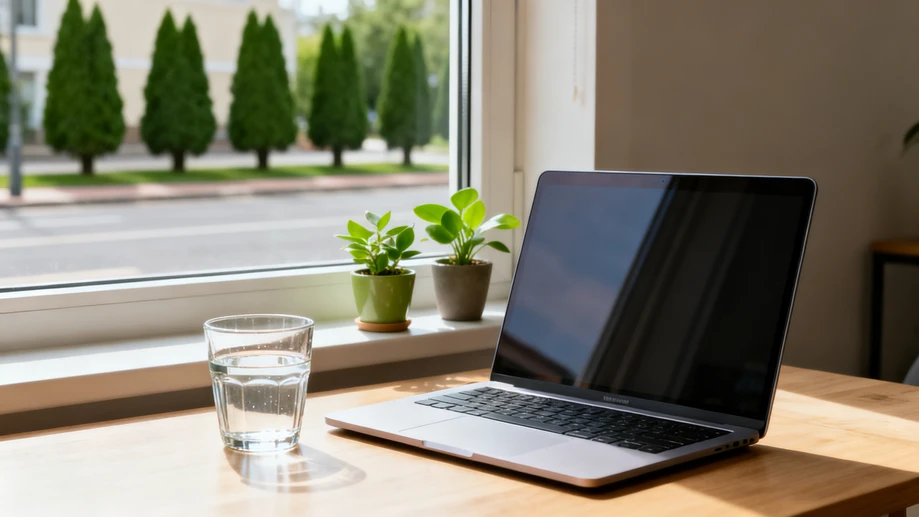
You do not need to buy expensive eye massagers, premium blue light filtering glasses or special medical grade eye drops to fix these problems, as all the most effective eye care habits cost almost no money at all. Every time you stand up to refill your water cup at the water cooler, take an extra 30 seconds to look out the window and lock your gaze on a tree that is at least 20 meters away, no need to do any special eye rolling exercises, just let your eye muscles relax fully on their own. Turn off the automatic brightness adjustment on your phone for a few days and manually adjust the screen light to match the brightness of the surrounding environment, and you will be shocked at how much less sore your eyes feel after two hours of scrolling. Keep a small bottle of plain artificial tear drops recommended by your optometrist at your desk, and use one drop every three hours instead of reaching for those heavily advertised redness-reducing drops that make your eyes feel better for 10 minutes but leave you more irritated later.
When you are not at work, try to spend at least one full hour outdoors every weekend, walking around a local park or a tree-lined street instead of staying inside the apartment scrolling through digital content the whole time. When you walk past different objects at different distances, from the flower bed right next to the sidewalk to the skyscraper a few blocks away, your eyes automatically adjust their focal length repeatedly, which acts like a gentle, natural massage for all the small muscles inside your eyes. You do not need to carve out an entire hour every single day for special eye care practice, just tuck these tiny little actions into the gaps of your existing daily routine, and you will notice the difference in how your eyes feel in less than two weeks.