
Can Dinner Really Save Your Vision?
Discover the Delicious Superfoods Hiding in Your Kitchen That Fight Digital Eye Strain
Staring at screens has become our modern marathon, leaving millions rubbing tired eyes and reaching for artificial tears. But what if the solution to our digital eye strain wasn't found in a bottle, but on our dinner plates? Science reveals that everyday foods contain powerful compounds specifically designed to shield our precious peepers. From the humble carrot to the mighty blueberry, nature's pharmacy offers a delicious defense against the glare.
Consider the vibrant orange warriors in your crisper drawer. Carrots, sweet potatoes, and pumpkin owe their sunset hues to beta-carotene, a compound our bodies convert into vision-protecting vitamin A. This nutrient is the cornerstone of rhodopsin, a protein in our retinas essential for seeing in dim light. A study in the Journal of Ophthalmology found adults with higher beta-carotene intake had significantly reduced risks of night blindness. Roast them with honey, blend them into soups, or shred them into muffins – these roots deliver crunch and protection.
Don't overlook the leafy greens camouflaged in your salad bowl. Spinach, kale, and collards pack lutein and zeaxanthin – yellow pigments that act like internal sunglasses. These antioxidants accumulate in the macula, the retina's central hub for sharp vision, where they filter harmful blue light from screens and sunlight. Research published in Nutrients journal demonstrated that regular consumption of these greens increased macular pigment density by up to 20%, acting as a natural shield against age-related decline. Sauté them with garlic or blend into morning smoothies for a vision-saving boost.
Your fish counter holds liquid armor for your eyes. Salmon, mackerel, and sardines swim with omega-3 fatty acids, particularly DHA, which makes up 93% of retinal fat. These healthy fats maintain cell membrane fluidity in photoreceptors and combat dry eye by supporting oil-producing glands in our eyelids. A landmark NIH study showed participants consuming fatty fish twice weekly had 50% lower risk of advanced macular degeneration. Grill salmon with dill or add sardines to pasta for a retina-reviving feast.
Berries and nuts offer bite-sized eye insurance. Blueberries burst with anthocyanins that strengthen blood vessels supplying the retina and reduce oxidative stress. Meanwhile, almonds and sunflower seeds deliver vitamin E, which protects eye cells from free radical damage caused by UV exposure. Ophthalmologists at Harvard Medical School found combining vitamin C-rich citrus with vitamin E sources created synergistic protection, slowing cataract progression by 35% in long-term studies. Sprinkle berries on oatmeal or toss nuts into stir-fries for a vision-saving crunch.
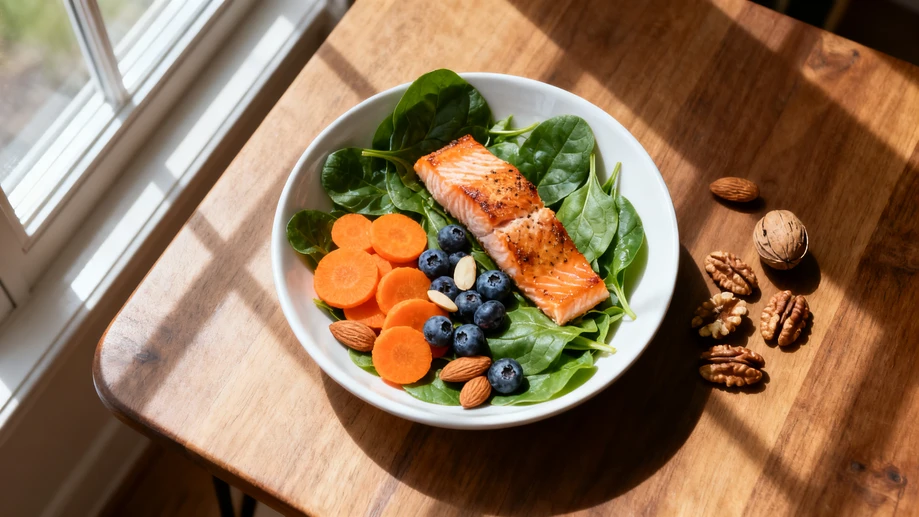
Transforming your plate into eye armor requires no exotic supplements – just colorful, intentional eating. Combine spinach omelets with smoked salmon for breakfast, snack on carrot sticks with almond butter, and top dinner salads with berries and sunflower seeds. This dietary mosaic delivers complementary nutrients that work better together than alone. As our screen time inevitably increases, remember that every forkful of these vivid foods builds microscopic defenses, turning ordinary meals into extraordinary vision protection that delights your taste buds while safeguarding your sight.