Is Your Screen Secretly Stealing Your Sight?
Unmasking the Digital Culprit That's Ambushing Your Eyes Daily
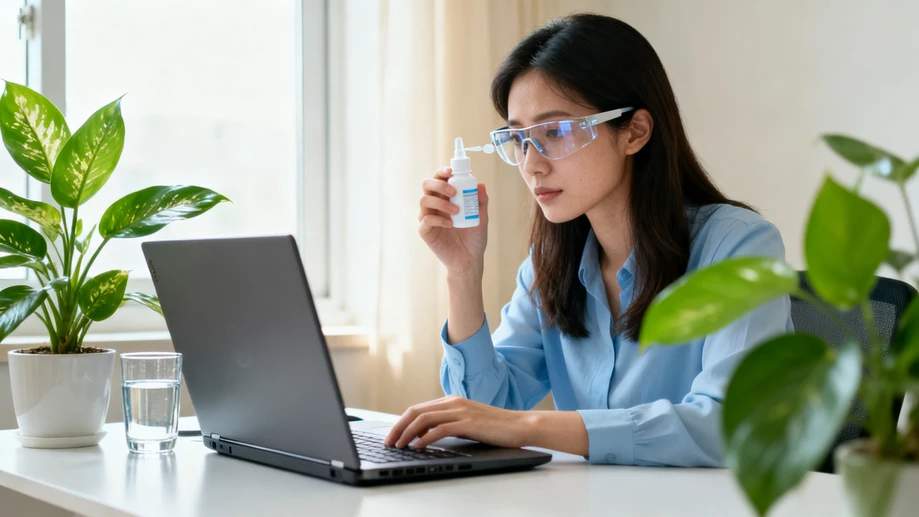
Staring at screens has become as natural as breathing, yet few realize they're participating in an unplanned experiment on their vision. We blink less than half as often while glued to devices, creating microscopic deserts on our eyeballs. When concentrating on pixels, our blink rate plummets from a healthy 15-20 times per minute to a mere 5-7. This biological betrayal leaves eyes gritty and bloodshot, like tiny sponges left in the sun. Dry eye syndrome now hits office workers and gamers alike with medieval torture tactics - stinging, burning, and that persistent feeling of sand behind your eyelids.
Blue light emissions from screens play the ultimate double agent. By day, they help regulate our circadian rhythm; by night, they sabotage sleep while fatiguing retinal cells. Digital eye strain doesn't come with flashing warning lights. Instead, it creeps in with subtle symptoms: headaches that circle your temples like vultures, blurred vision making road signs momentarily unreadable, and neck pain from leaning toward text that seems to shrink. Your eyes' cry for help manifests in unusual ways - like needing brighter reading lights or squinting at restaurant menus you once read effortlessly.
Modern screens are visual funhouses with hidden traps. Excessive brightness creates glare warfare, forcing pupils into constant battle adjustments. Pixel-based text lacks the crisp edges of printed words, making letters slightly fuzzy without our conscious notice. The "just one more scroll" reflex compounds the damage during late-night browsing sessions when melatonin production needs darkness. Even our posture becomes collateral damage as we crane forward, reducing the eye's natural focusing power until distant objects appear mysteriously foggy.
Simple defenses exist for this digital siege. The 20-20-20 rule works like hydration breaks for your eyes: every 20 minutes, gaze at something 20 feet away for 20 seconds. This reset button allows focusing muscles to relax from their screen-induced cramp. Night mode settings aren't just cosmetic - they filter blue light emissions that disrupt sleep chemistry. Position screens slightly below eye level so eyelids cover more surface area during partial blinks, and boost text size until you stop unconsciously leaning forward. These micro-adjustments create macro-protection.
Your eyes crave nutrients like a finely tuned engine. Omega-3s from salmon or chia seeds fortify tear film stability while lutein-rich spinach and eggs build macular pigments that act as natural blue light filters. Hydration creates fluid reserves for tear production - aim for water intake that makes your urine pale lemonade-colored. Air quality matters too; humidifiers combat the moisture-sucking effects of air conditioning and heating systems. Consider it creating a tropical rainforest environment for your precious corneas.
Annual eye exams serve as reconnaissance missions against silent vision thieves. Glaucoma and macular degeneration operate like stealth bombers - causing irreversible damage before symptoms appear. Comprehensive checks measure fluid pressure inside the eye and scan retinas for early deterioration. Don't dismiss new visual disturbances; sudden floaters or light flashes could signal retinal tears needing immediate attention. Your eyes whisper warnings before they scream - learning to interpret these signals might just save your sight from the invisible enemy glowing in your hands right now.