Have You Been Secretly Ruining Your Eyes Without Even Noticing It?
Tiny overlooked daily routines that do not feel harmful could be the leading cause of your persistent eye strain and unexpected vision drops.
If you have ever woken up at 7 a.m. and reached for your smartphone before you even sit up in bed, you are part of the vast group of urban dwellers who follow a seemingly harmless routine that wears down eye health gradually over months. Most people only connect vision damage to long work hours in front of the computer, but the hidden harm comes from dozens of tiny unplanned actions you take every single day without a second thought. Many people blame their sudden blurry vision on new screen upgrades or bad air quality, but the real culprit is almost always the small repeated habits that have slipped into your schedule without you realizing it.
One of the most commonly misused eye care rules almost no one gets right is the famous 20-20-20 rest rule. A huge number of people turn their eyes to a nearby window and glance at a potted plant placed three meters away for two seconds, then immediately go back to staring at their screen, which does nothing to release the tight strained muscles around their eyes. The rule requires you to look at an object at least 20 feet away for a full 20 seconds, and skimping on the distance or the time will not give your eye muscles the break they need. Another easy to miss bad habit is scrolling your phone at maximum brightness while riding a subway home in the dark tunnel: the large contrast between your dim surroundings and the bright screen forces your pupils to stay dilated for a long time, making you feel dry and sore the second you step off the train even if you only spent 15 minutes on your phone.
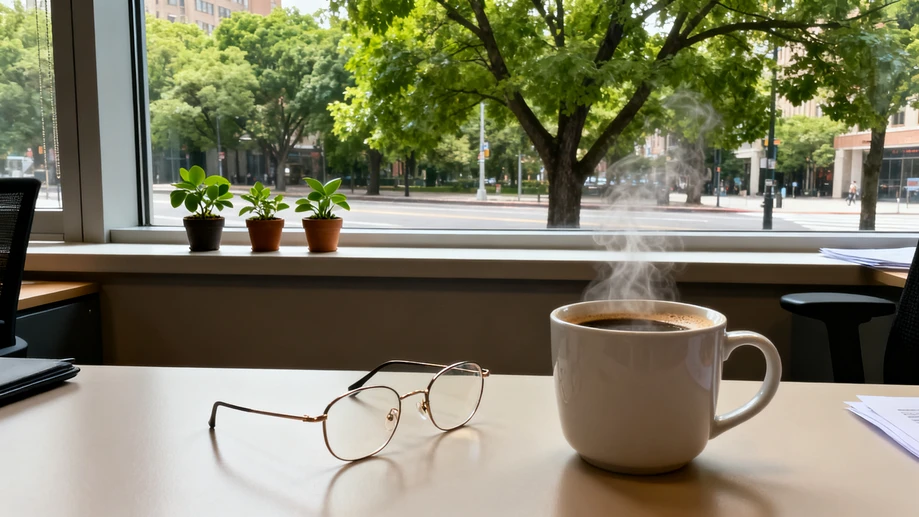
You do not need to buy expensive premium eye care products or rearrange your whole schedule to fix these small issues, because the best eye protection habits are designed to fit right into your existing daily routines. The next time you make yourself a cup of hot coffee or tea in the office, close your eyes and gently roll your eyeballs in slow circles for the full 30 seconds you wait for the drink to cool down to a drinkable temperature. When you walk through the supermarket aisles to grab snacks after work, look up at the farthest shelf at the end of the aisle for three seconds every time you finish checking one product label, so your eyes get a few free chances to adjust their focus from close range to far away. You can also keep a small bottle of refrigerated over-the-counter artificial tear in your bag, so you do not have to rub your eyes roughly with dirty hands when they feel dry and itchy after being out in the wind for 10 minutes.
There are also many widespread misconceptions about eye care that make people do more harm than good without knowing it. A lot of people take off their prescription glasses when they are doing small close-range tasks like typing a short message or reading a takeout menu, because they believe wearing glasses all the time will make their prescription go up faster. The truth is that repeatedly forcing your eyes to adjust focus back and forth between blurry and clear will put extra unnecessary pressure on your ciliary muscle, which speeds up myopia progression far more than wearing glasses the whole time. You also do not need to spend hundreds of dollars on imported lutein supplements to maintain eye health, because a small serving of cooked spinach or half a regular carrot eaten with your lunch can provide all the nutrients your eyes need for the whole day, with a far higher absorption rate than overpriced processed supplements.
Most people who stick to these tiny adjusted habits for two weeks report that they no longer wake up with sticky, heavy eyes that take ten minutes to feel fully open, and they no longer have to squeeze their eyes shut repeatedly to relieve stinging soreness halfway through their workday. They also notice that the scattered halos around street lights when they drive home at night fade away gradually, which means their cornea health has improved significantly. None of these changes require you to spend extra money or squeeze extra time out of your already packed work schedule, all you need to do is make small tiny tweaks to the actions you are already doing every single day.