5 Eye-Opening Truths Your Eyes Reveal About Your Health
Discover the hidden health secrets your eyes can tell you—without saying a word
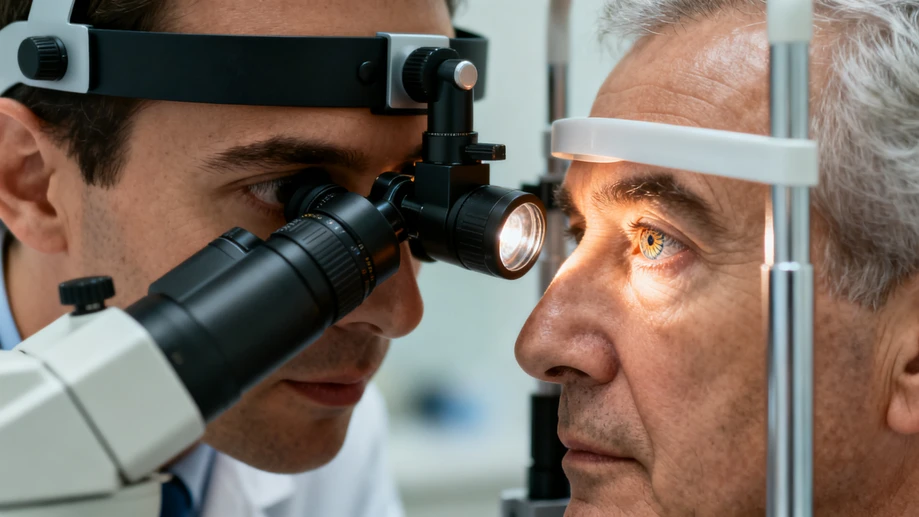
Imagine your eyes as miniature crystal balls, silently forecasting your overall wellbeing long before other symptoms appear. Ophthalmologists often spot early warning signs of systemic diseases during routine eye exams—sometimes years before you'd visit a specialist. That quick vision check isn't just about updating your glasses prescription; it's a non-invasive window into your cardiovascular, metabolic, and neurological health. When light enters your eyes, it illuminates blood vessels, nerves, and tissues that hold clues doctors can decipher like medical detectives.
Your retina's blood vessels act as honest messengers for your circulatory system. When sugar crystals damage retinal capillaries—visible as tiny hemorrhages or yellow deposits—it's frequently the first detectable sign of uncontrolled diabetes. Ophthalmologists caught this in Julie, a 42-year-old teacher who reported slightly blurry vision. Her comprehensive eye exam revealed telltale diabetic retinopathy markers, leading to diabetes diagnosis six months earlier than blood tests would have flagged it, giving her crucial intervention time.
Notice persistent yellow bumps around eyelids? Those xanthomas may signal dangerously high cholesterol. Ophthalmologists instantly recognize the whitish arc forming around the cornea's edge as corneal arcus—a cholesterol ring that warns of increased stroke risk. Meanwhile, unexplained bulging eyes could indicate thyroid dysfunction, where autoimmune attacks cause orbital tissues to swell. The eyes truly mirror vascular health: hypertension creates visible kinks in retinal arteries, sometimes before it registers on your home blood pressure monitor.
Surprisingly, neurological conditions leave optical footprints. Changes in pupil response speed might indicate multiple sclerosis, while abnormal eye movement patterns occasionally flag early Parkinson's disease. Even vitamin deficiencies reveal themselves—night blindness often points to vitamin A deficiency, while optic nerve swelling could indicate excess vitamin A toxicity. The eyes' intimate connection to the brain means stroke survivors frequently develop visual field deficits, creating "blind spots" detectable through specialized testing.
Your tear film serves as liquid biopsy. Chronic dry eye syndrome sometimes accompanies autoimmune conditions like rheumatoid arthritis or lupus. When Richard visited his eye doctor for persistent irritation, inflammatory markers in his tears suggested autoimmune activity, prompting rheumatology referral that confirmed Sjögren's syndrome. Conversely, excessively watery eyes might signal Bell's palsy or thyroid issues. Even subtle eyelid drooping could indicate neuromuscular disorders like myasthenia gravis long before muscle weakness becomes obvious elsewhere.
Protecting this diagnostic window requires simple habits. Wear UV-blocking sunglasses year-round—sun damage accelerates cataracts and macular degeneration. Maintain annual eye exams, especially if you have diabetes or hypertension. During your next visit, ask for optical coherence tomography (OCT)—a painless scan visualizing retinal layers thinner than tissue paper. Remember, delaying eye checkups risks missing vital health insights. While glimpses of blue skies and loved ones’ faces are priceless, your eyes’ silent health warnings might be their most valuable gift.