
Peek Through the Window to Your Soul
Discover fascinating truths about your eyes that'll make you see the world differently
Your eyes aren't just windows to the world – they're biological masterpieces processing information at lightning speed. Every time you blink (about 15,000 times daily), you're rewetting a complex optical system that converts light into electrical signals faster than any supercomputer. That morning coffee you're sipping? Its steam triggers a blink reflex to protect your cornea, an exquisitely sensitive transparent dome. Your iris acts like a camera's aperture, expanding in dim lighting to the size of a pea and contracting to a pinprick in sunlight. Remarkably, the entire focusing mechanism of your eye relies on muscles working harder than your legs during a sprint, constantly adjusting to create crisp images.
Ever wonder why carrots are "good for your eyes"? It's all about vitamin A, crucial for rhodopsin – the pigment allowing night vision. Your retina contains photoreceptor cells resembling microscopic champagne flutes (rods for low light) and wine glasses (cones for color). There's a literal "blind spot" in each eye where the optic nerve exits, but your brain fills in the gap using surrounding information. Fun fact: blue-eyed individuals share a common ancestor from 6,000-10,000 years ago – before that, all humans had brown eyes! Your eyes can distinguish between 2.3 million and 7.5 million colors, though some mantis shrimp species still put our vision to shame with their 16 color receptors.
Digital screens didn't exist when our eyes evolved, leading to widespread digital eye strain. The 20-20-20 rule combats this: every 20 minutes, gaze at something 20 feet away for 20 seconds. Blink consciously while working – studies show we blink 66% less when staring at screens. Hydration matters too; dehydration thickens tear fluid, causing gritty sensations. Smoking doubles your risk of cataracts and quadruples macular degeneration risk. Meanwhile, ultraviolet protection isn't just a summer concern; snow reflects 80% of UV rays, while sand reflects 25%. Quality sunglasses block 99-100% of UVA/UVB rays year-round.
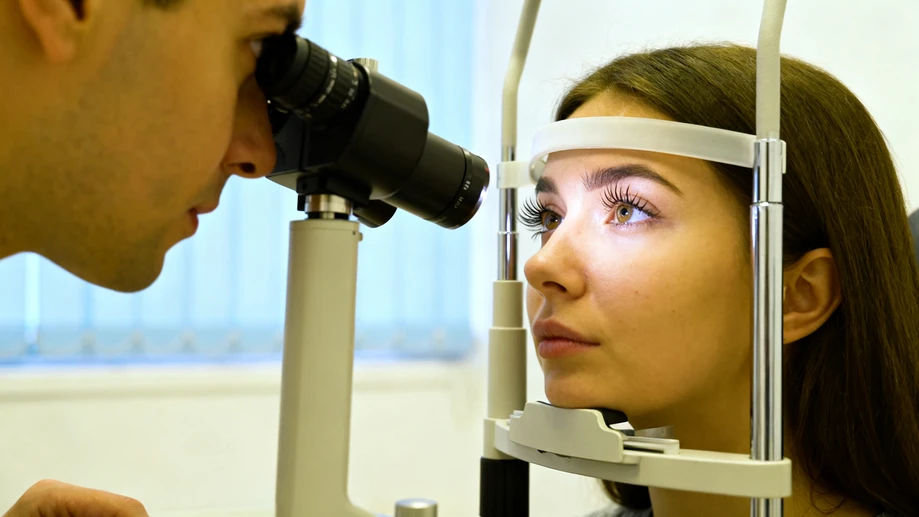
Your eyes reveal unexpected health secrets beyond vision. Ophthalmologists can detect diabetes through tiny hemorrhages in retinal blood vessels years before other symptoms emerge. A yellow tint in the whites may indicate liver issues, while persistent eye twitching might signal magnesium deficiency or stress. Cholesterol deposits sometimes appear as gray rings around the cornea, while asymmetrical pupils could indicate neurological concerns. Ironically, some life-saving eye exams require dilating drops that temporarily blur vision – nature's reminder that prevention sometimes requires temporary inconvenience.
Future eye care innovations include smart contact lenses monitoring glucose levels through tears and augmented reality glasses assisting surgeons with real-time data. Yet centuries-old principles remain vital: annual check-ups catch 90% of preventable vision loss, especially for those over 40 when presbyopia (age-related focus issues) typically begins. Your eyesight evolved over millions of years – treasure it by eating leafy greens rich in lutein, wearing protective eyewear during DIY projects, and giving your eyes regular screen-breaks. After all, they're your only pair, and they're working overtime to paint the extraordinary canvas of your world.