
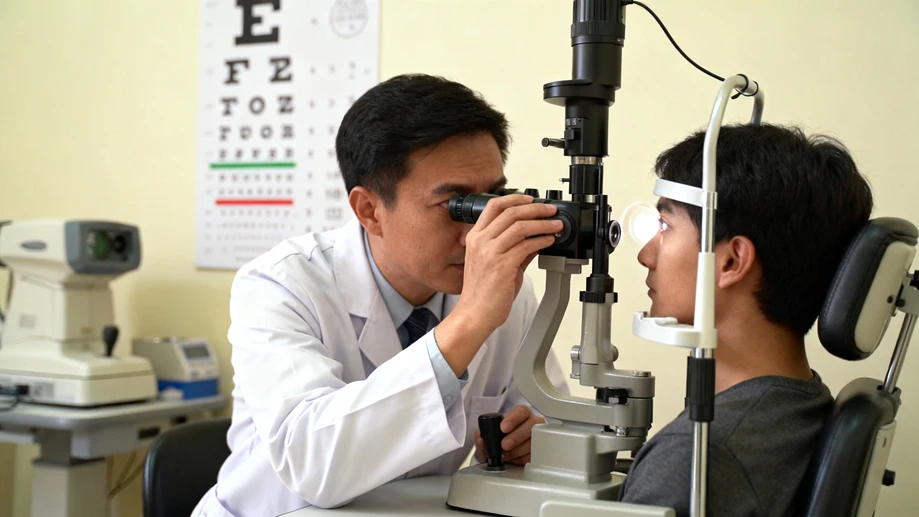
5 Amazing Secrets Your Eyes Are Trying to Tell You
Discover the Hidden Truths About Your Vision That Could Transform Your Daily Life
Have you ever wondered why your eyes water on a windy day or why you sometimes see "floaters" dancing across your vision? These tiny quirks aren't just random annoyances—they're part of a fascinating story your eyes are whispering to you. Our eyes, often called the windows to the soul, are actually complex biological machines that communicate vital health clues. From ancient times to modern science, humans have been captivated by vision, yet many of us overlook these everyday signals. Imagine your eyes as silent messengers, constantly sending updates about hydration, fatigue, or even underlying conditions. In this journey, we'll explore how paying attention to these signs can prevent common issues like dry eye or digital strain. After all, understanding your eyes isn't just about seeing better; it's about living a fuller life in a world filled with screens and stress.
Our eyes work through an intricate dance of light and biology, starting with the cornea and lens focusing incoming light onto the retina. This tiny patch of tissue at the back converts light into electrical signals, zipping through the optic nerve to your brain for interpretation. What's truly mind-blowing is that this process happens in milliseconds—faster than you can blink! But here's a secret: your eyes aren't passive cameras. They adjust constantly, dilating in dim light to capture more details or narrowing in bright sun to protect themselves. This adaptability explains why night driving can feel challenging or why staring at a phone too long leads to blurry vision. Over time, habits like neglecting regular breaks during screen use can disrupt this delicate balance. For instance, prolonged exposure to blue light from devices tricks your brain into thinking it's daytime, messing with sleep patterns and causing eye fatigue. The good news? Simple tweaks, like the 20-20-20 rule (look 20 feet away every 20 minutes for 20 seconds), can keep this dance in harmony.
Common vision problems often sneak up silently, starting with minor symptoms that escalate if ignored. Take digital eye strain, which affects over 60% of adults globally: it manifests as headaches, dry eyes, or blurred vision after binge-watching shows or working online. Another secret is that dry eyes aren't just from lack of tears—they can signal dehydration or autoimmune issues, making that morning coffee routine a double-edged sword. Then there's myopia (nearsightedness), which is skyrocketing due to modern lifestyles; kids spending less time outdoors miss out on natural light that slows eye elongation. What your eyes might be telling you here is simple: balance screen time with outdoor play to prevent long-term damage. Even aging brings changes, like presbyopia making reading menus harder, but this isn't inevitable decline—it's a call for proactive care. Early detection through regular check-ups catches these whispers before they shout, turning potential crises into manageable tweaks.
Protecting your eyes doesn't require high-tech gadgets or drastic changes; it's about integrating smart habits into daily routines. Start with nutrition: foods rich in omega-3s, like salmon or flaxseeds, lubricate your eyes naturally, while leafy greens packed with lutein shield against harmful blue light. Hydration is key too—dehydration thickens tears, leading to irritation that mimics more serious conditions. On the lifestyle front, sunglasses aren't just fashion statements; they block UV rays that accelerate cataracts. And don't forget blinking—studies show we blink half as often during screen use, causing dryness. Make it a habit to blink fully every few minutes to spread tears evenly. Environmental factors matter as well: optimize your workspace with proper lighting to reduce glare, and use humidifiers in dry rooms. These steps aren't just preventive; they're empowering, helping you interpret your eyes' signals as guides for better overall health.
Beyond the basics, myths and truths about eye care add a layer of intrigue that many overlook. For example, you've probably heard that sitting too close to the TV ruins your vision—turns out, that's an old wives' tale! Research shows it causes temporary strain but no permanent harm. Another secret: rubbing itchy eyes feels good but can spread germs or worsen conditions like keratoconus. Instead, try cold compresses for relief. And while carrots are famous for boosting vision, they don't give you superhuman sight; they provide vitamin A, which supports overall eye health, but it's balanced diets that truly work. The real marvel is how your eyes adapt over time—exercises like focusing on distant objects strengthen eye muscles, debunking the idea that vision inevitably fades with age. By embracing these truths, you transform eye care from a chore into an adventure, uncovering hidden strengths in your daily life.
In wrapping up, listening to your eyes is a powerful tool for navigating our visually driven world. These secrets—from adaptation quirks to myth-busting truths—highlight how small, mindful actions foster resilience. Start today by scheduling an eye exam, incorporating eye-friendly foods, and practicing screen breaks. Remember, your vision is a gift; treat it with the curiosity it deserves, and you'll not only see clearer but live brighter.