Who Knew Your Super Casual Daily Habits Are Slowly Messing Up Your Eyes
This lighthearted science guide breaks down overlooked, relatable eye care mistakes most people make every day, and shares zero-cost, easy tweaks you can slip into your regular routine immediately.
Most of us never really think about our eyes as a set of hardworking muscles that need regular tiny breaks, not just a full night of sleep to recover. You probably roll out of bed at 7 a.m. and grab your phone before your feet even touch the floor, holding the screen three inches from your face to scroll through overnight messages, news feeds and short video clips before you even make your first cup of coffee. By the time you finish your morning commute, you have already stared at three separate screens for more than an hour, and you barely remember to blink more than three times per minute while you focus on moving images and text. Most people only realize their eyes are under strain when they start to burn, tear up out of nowhere, or can no longer read the small text on a road sign across the street, and by then those tiny accumulated strains have already added up over months or even years of unnoticeable damage.
You have probably heard the 20-20-20 rule mentioned a dozen times on social media, but almost no one follows it correctly, and most people commit far more small, unrecognized mistakes that undermine their eye health every single day. A huge number of people love scrolling through their social media feeds in bed right before sleep, and they manually turn their phone brightness all the way down to avoid “hurting their eyes” in the dark. That seemingly smart move actually creates a much bigger problem: your pupils dilate to a much larger size in low light, to take in as much available light as possible, and the massive brightness gap between your dim phone screen and the completely dark surrounding environment forces your ciliary muscle to stay tense for hours on end to adjust to that uneven light. That is why you wake up the next day with puffy, heavy eyes and blurry near vision, and you mistakenly blame the symptom on “not sleeping enough” instead of the hour you spent scrolling in total darkness the night before.
Many other super casual daily habits that you never think twice about also quietly cause low-level damage to your eye health, without you ever noticing the connection. You might sit at your office desk right in front of the central air conditioning vent for the whole workday, and the steady stream of cool, dry air directly hits the surface of your eyeballs and speeds up the evaporation of your tear film, turning your eyes dry and gritty before lunch even rolls around. You might rub your eyes roughly after you cry at a sad movie, or rub them with greasy hands right after finishing a takeout meal, or reach for your contact lens case with unwashed fingers right after petting your cat for ten minutes. Those tiny, unthinking actions increase the risk of small, preventable eye irritation, clogged meibomian glands and random styes that make your eye swell up and hurt for three full days, and most people never connect that annoying small health issue to their own unexamined daily habits.
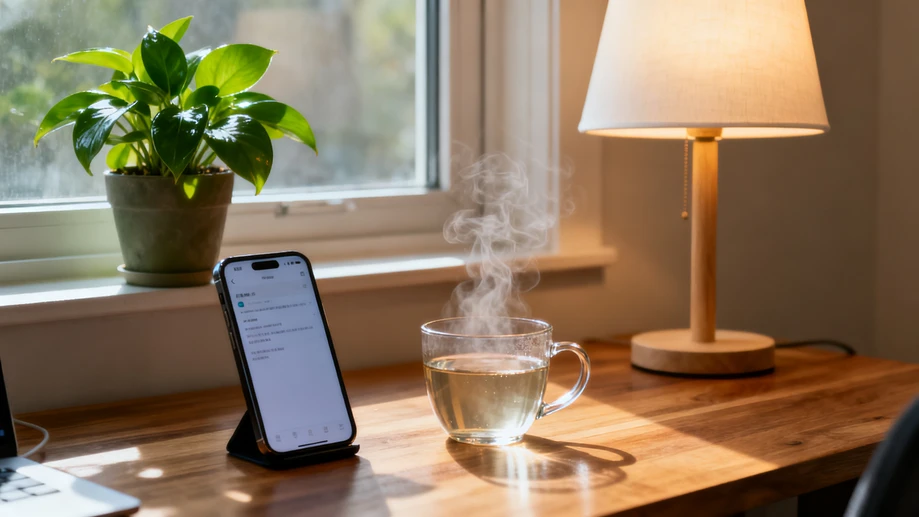
The good news is that you do not need to drop hundreds of dollars on fancy eye massagers, expensive blue light blocking glasses or piles of nutritional supplements to protect your eyes effectively. All you need to do is slip tiny, eye-friendly moves into the routines you already follow every single day, so you never have to carve out extra time to “do eye care” on purpose. Keep a full bottle of room temperature mineral water next to your work monitor, and take one small sip every time you notice your eyes start to feel a little dry, that small movement will make you blink naturally twice, and pull your focus away from the screen for a full two seconds. Leave your room overhead light turned on to its lowest soft brightness when you scroll through your phone before bed, so there is no extreme light gap between your screen and the surrounding space, and you will notice your eyes feel far less strained when you put your phone down to sleep. Every time you go to make yourself a cup of hot drink in the office, stop by the window for 30 seconds after you get your drink, and look at the farthest tree or street sign you can see outside, no counting 20 seconds required, all you need to do is let your eye muscles relax for just a little bit while you wait for your hot drink to cool down.
The biggest myth that most people believe about eye care is that expensive products can fully offset the damage of bad habits, and that is the most misleading piece of unhelpful information floating around online. You can buy the priciest anti-blue light glasses on the market, and they will only reduce a small portion of harsh short-wave blue light coming from your screen, they can not cancel out the strain you put on your eyes from staring at a screen three inches away from your face for 12 hours straight every day. You can eat three pieces of lutein candy every single morning, but that small nutritional supplement will never reverse the chronic strain caused by months of hidden bad habits you do every single day. The best possible eye care routine does not require you to rearrange your entire life or spend extra money you do not want to spend, it just asks you to pay a tiny bit more attention to how you use your eyes during small, unplanned moments of your day, those tiny, consistent tweaks will do far more for your long term eyesight than any fancy expensive gadget you can buy.