
Are You Overlooking These Everyday Foods That Protect Your Vision?
Nature's edible armor for your eyes is hiding in plain sight on your grocery list
Your eyes work tirelessly from the moment you wake until you close them at night, yet we rarely consider how diet impacts their resilience against digital strain and aging. Imagine your kitchen pantry holding unsung heroes combatting dry eyes and blurry vision. Forget exotic superfoods – science confirms ordinary ingredients defend your sight through delicious biological warfare. The secret lies in antioxidants that shield delicate retinal cells and nutrients maintaining ocular fluid balance. By strategically incorporating accessible foods, you build daily protection against blue light damage and age-related decline without expensive supplements. Your ocular fortress might begin with tonight's dinner plate.
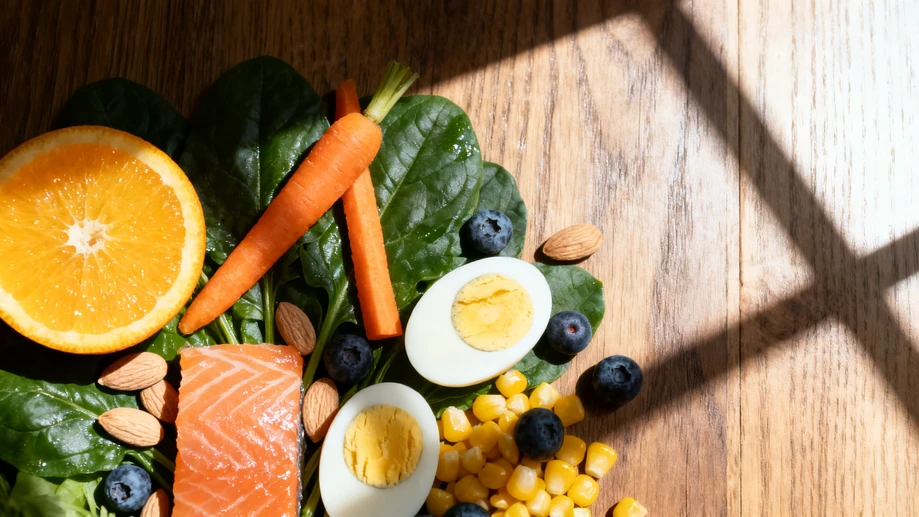
Meet the colorful defenders: carrots aren't just rabbit food but vitamin A powerhouses converting to rhodopsin for low-light vision. One sweet potato provides double your daily requirement. Meanwhile, spinach and kale wage war with zeaxanthin and lutein – yellow pigments forming a literal sunblock for your retinas. Studies show these leafy greens absorb harmful high-energy light waves, reducing cataract risks by 20% when consumed daily. Try wilting them into morning eggs since yolks contain these same vision guardians plus zinc for transporting vitamin A through blood vessels. For fish lovers, salmon delivers omega-3 fatty acids that reduce dry eye syndrome; just two servings weekly maintain tear film quality.
Don't underestimate crunchy allies: almonds and sunflower seeds pack vitamin E that prevents free radicals from attacking eye tissues. A small handful offers half your RDA. Citrus fruits and strawberries provide vitamin C rebuilding corneal collagen – nature's windshield repair. Yet the stealthiest protector might be humble corn; its yellow kernels contain meso-zeaxanthin, a rare antioxidant filtering blue light from screens. Combine these with vitamin-B-rich legumes combating optic nerve inflammation, and you've created ocular armor. No need for exotic berries when corn salsa or bean salad delivers comparable benefits.
Transform these ingredients into effortless daily rituals: blend spinach and citrus into breakfast smoothies, roast carrots with olive oil to enhance nutrient absorption, or snack on trail mix with almonds and sunflower seeds. Surprisingly, cooking tomatoes into sauces increases lycopene bioavailability – this antioxidant shields blood vessels nourishing retinas. Even dark chocolate qualifies! Its flavonoids improve blood flow to optical nerves. The key is diversity: rotate colorful produce weekly since different pigments protect various eye structures. An orange bell pepper has triple the vitamin C of an apple, while purple sweet potatoes offer anthocyanins strengthening capillaries.
Modern life's visual assaults – screens, pollution, UV exposure – accelerate oxidative damage, but edible defense starts young. Children who regularly eat eggs develop higher macular pigment density. Adults over 50 consuming at least two fish meals weekly experience slower age-related vision loss. Remember, nutrients work synergistically; vitamin E regenerates vitamin C, while zinc activates vitamin A. Consistency trumps quantity: small daily portions prove more effective than monthly feasts. Your eyes don't demand perfection, just persistent nourishment from the ordinary superstars already in your kitchen.