Did You Know Your Daily Tiny Habits Are Secretly Ruining Your Eyesight?
This casual, relatable eye care guide breaks down common overlooked daily mistakes and shares fun, zero-effort tricks to keep your eyes comfortable and sharp for years to come.
If you take a minute to track your screen time from the moment you wake up, you will probably be shocked at how little time your eyes get to rest during a full day. Most people grab their phones within 30 seconds of opening their eyes in the morning, scroll through short videos during their commute, stare at a computer screen for 8 straight hours at work, and even lie in bed scrolling social media for an hour or two before falling asleep at night. No one talks about the tiny, unnoticeable changes that add up after months of this routine: you may start to blink less often when you are focused on a thrilling show, hold your phone an inch away from your face when you are reading small text, or even turn all the room lights off just to watch a movie late at night. A 27-year-old marketing specialist I know once ended up at an urgent care last winter after binging an entire 12-episode drama series in one sitting, panicking because every street light he looked at had three overlapping blurry rings around it. The doctor told him he did not have any permanent damage, he just forgot to blink for so long that the thin protective tear film on the surface of his eyes completely evaporated, leading to temporary dryness and blurriness.
Many people who want to take care of their eyes end up wasting a lot of money on unnecessary products that do not solve the root problem, because they fall for viral online misinformation. A lot of popular cooling eye drops sold on social media are designed to create a temporary minty fresh feeling that makes you think your eyes are less tired, but they often contain extra chemical additives that will reduce your eye’s natural tear secretion over long term use, making dry eye symptoms much worse than they were before. Many people also buy expensive blue light blocking glasses and assume they can spend 14 hours a day staring at screens without any consequences, which is a huge misunderstanding. Blue light blocking filters only block a very small portion of high energy visible light from digital screens, they cannot release the long held tension in your ciliary muscle that comes from staring at a close distance for hours on end. The most effective, zero cost eye care rule that has been recommended by eye doctors for decades is the 20-20-20 rule: every 20 minutes you spend looking at a close screen, you take 20 full seconds to look at an object that is at least 20 feet away from you. You do not need to set up special tools or rearrange your schedule for this, you can just glance out your office window at the big old tree on the other side of the street for a few seconds, and that short break is enough to relax the overworked muscles around your eyes.
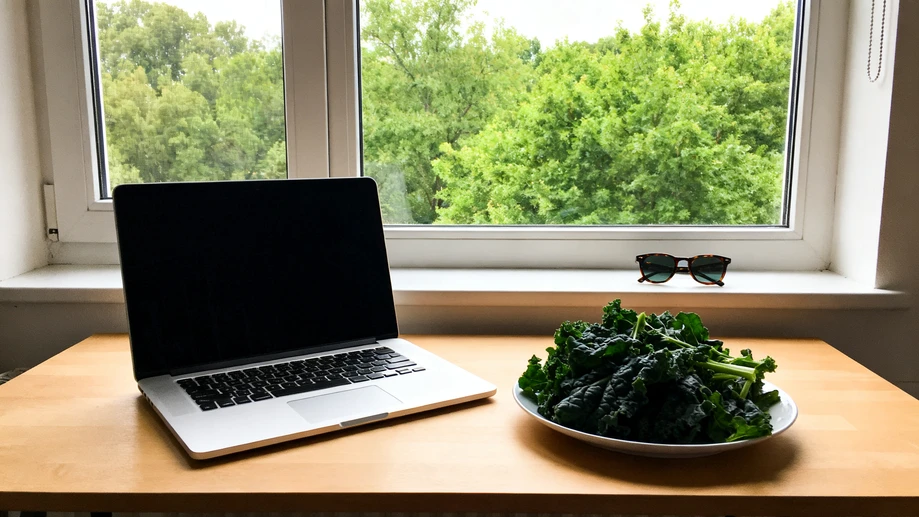
There are dozens of tiny easy to adjust daily habits that make a huge difference for long term eye health, and most of them require no extra effort at all. You do not need to buy hundreds of dollars worth of imported eye care supplements to get enough nutrition for your eyes, you just need to add one extra serving of dark green leafy vegetables to your lunch, and eat one small orange or a handful of berries every other day, and the natural lutein, vitamin A and anthocyanins from these fresh foods are far more easily absorbed by your body than any processed pills. Many people forget to wear sunglasses when they step out on bright sunny summer days, but long term exposure to strong ultraviolet light without any protection will burn the thin surface layer of your cornea over time, leading to chronic soreness and faster vision degradation, and you do not need to buy luxury branded sunglasses either, any pair that meets national safety standards and blocks 100% of UVA and UVB rays works perfectly fine. Almost everyone has had the silly habit of propping their phone up over their face while lying in a bathtub or shower, scrolling through videos while letting the warm water run over their shoulders, and most people hold the phone less than 10 centimeters away from their eyes when they do this, which puts an incredible amount of unnecessary strain on their vision that adds up very fast.
You can also build great eye care habits while you walk around outside, without sacrificing any of your regular free time. Instead of scrolling through social media the entire time you walk from the subway station to your office after work, you can keep your phone in your pocket and look around at the stray cat napping on a storefront windowsill, the pink cherry blossoms blooming on the sidewalk, or the kid chasing a dog across the park path. Every time you spend a few minutes looking at objects far away, your ciliary muscle, which has been tensed up to help you focus on close screens, gets a chance to fully stretch and relax, which is far more effective at relieving long term eye fatigue than any expensive eye massage therapy you can book at a salon. A lot of people also develop mismatched vision in their left and right eyes because they lie on their side to play with their phone in bed, pressing one eye into the pillow while holding the screen very close to the other, and over a few years this can create a noticeable difference of hundreds of degrees between the two eyes that you can not fix with just rest alone. Even if you are very tired after a long work day, try to keep your phone at least 30 centimeters away from your face when you use it, and avoid lying on your side to scroll for long periods of time.
The best part about good daily eye care is that it does not require you to set aside an entire hour every single day to do complicated eye exercises, or follow a strict, expensive special routine that takes up all your free time. All you need to do is make a few tiny, almost unnoticeable adjustments to your existing daily habits, and you will see huge improvements after just a few short weeks. Most people who stick to these small changes report that the heavy, sore feeling in their eyes that used to hit them the second they got home from work disappears completely, they no longer have to squint to read street signs when they are walking around downtown, and they stop getting random headaches that are triggered by long hours of screen use. Your eyes work non stop for you from the second you wake up until you fall asleep, and giving them these tiny little breaks every few minutes is the least expensive, most rewarding investment you can make in your long term health.