Do Your Daily Eye Care Habits Actually Make Your Vision Worse Without You Noticing
This lighthearted deep dive breaks down tiny, unnoticeable daily moves that secretly harm your eyes and shares easy, fun fixes you can start using today
Most of us have built small unspoken routines around our screens that we barely think twice about, reaching for our phones within 10 seconds of waking up to scroll through social media before we even swing our legs out of bed. We tell ourselves that 10 minutes of lazy scrolling under the covers is no big deal, never stopping to consider that our eyes take roughly 20 minutes to fully adjust to regular ambient light after hours of total darkness during sleep. The bright phone screen pressed a foot away from our faces in a dim bedroom hits our unadapted retinas far harder than staring at a patch of fresh snow on a sunny winter afternoon, and that tiny unplanned habit sets our eyes up for extra fatigue before we even pour our first cup of morning coffee. Plenty of people drop hundreds of dollars on fancy blue light glasses and special screen protectors thinking they are fully protecting their vision, yet they still end the workday with stinging, dry eyes and leave their annual optometrist appointment shocked that their prescription has jumped another half diopter in 12 months.
A huge number of the most common hidden eye strain triggers have nothing to do with screens themselves, and everything to do with tiny lazy choices we make every single day without a second thought. Many people love dimming all the main lights in their living room to binge three episodes of their favorite show after work, keeping nothing but a tiny warm nightlight turned on to build a cozy, cinematic vibe, but when the brightness gap between your glowing screen and the surrounding room is more than three times, your pupils will constrict and expand nonstop for hours trying to adjust to the shifting light levels. That unnoticeable constant overwork for your eye muscles is the equivalent of making them run a half marathon while you sit still on your couch, and you will only notice the soreness hours later when you try to read a menu at dinner. Other people swear by cheap viral eye drops that feel ice cold the second they hit your eye, providing instant relief, but those products are often loaded with menthol and temporary blood vessel constrictors that mask your dry eye symptoms instead of fixing them, and long term use will actually make your natural tear production slow down far more than it did before you started using the drops. Even the tiny habit of wiping sweat off your face at the gym with your bare hands and rubbing your eyes right after leaves you exposed to far more bacteria than you would find on a standard public toilet seat, raising your chance of annoying red eye infections dramatically.
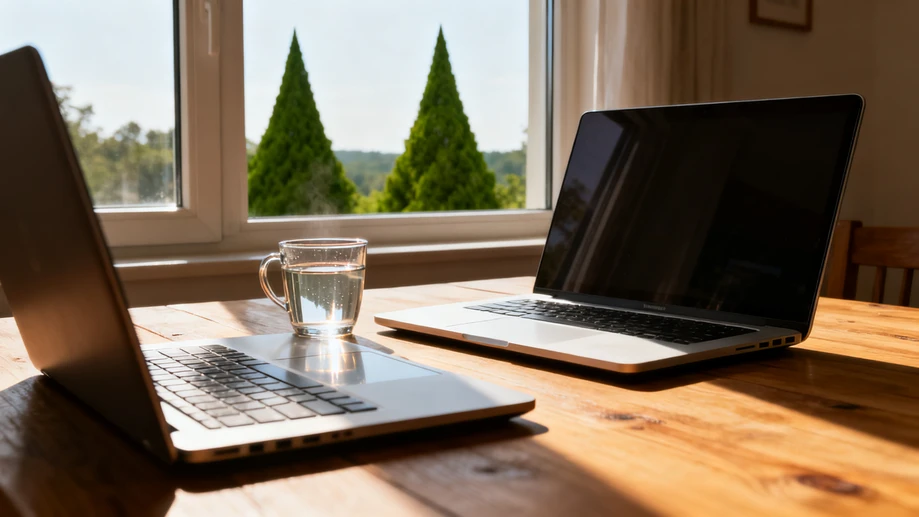
The best effective eye care habits cost almost no money at all, and they are far easier to stick to than you would assume once you stop treating them like a tedious chore. The famous 20-20-20 rule, which tells you to look at an object 20 feet away for 20 seconds every 20 minutes of screen time, sounds too simple to work, but most people skip it because they think they need a perfect mountain view out their window to pull it off, which is not true at all. You do not need a scenic overlook to give your eyes a break, staring at the top of a street tree across the road, a distant building sign or even a potted plant placed 10 feet away from your desk for 20 seconds works exactly the same. If you work in a dry air conditioned office all day, setting a regular open cup of warm water next to your keyboard will slowly release soft moisture into the air around your face, working just as well as a fancy expensive desktop humidifier to keep your eyes from drying out mid work. Most people blink 12 to 15 times every minute naturally, but that number drops to 4 or 5 blinks per minute when you are focused on typing or scrolling, so simply reminding yourself to blink slowly three times every time you finish a paragraph of text will spread your natural tear film evenly across the surface of your eye far more gently than any artificial eye drop can.
There are also a handful of widely shared eye care myths that do far more harm than good when people follow them blindly. A lot of social media posts claim eating a handful of blueberries every day will magically improve your vision, but you would need to eat at least 6 pounds of blueberries in a single day to consume enough lutein to make a measurable difference to your eye health, which is not realistic for any normal person. A single small plate of cooked spinach or kale every week gives you more than enough of the same nutrients for a fraction of the cost, making it a far more practical choice. A huge number of people also avoid wearing their full prescription glasses all day because they think heavy frame wear makes their eyeballs bulge out over time, but that physical change is caused by rising myopia itself, not the glasses you use to correct it. Squinting constantly to make out distant words or road signs without your glasses on will force your eye muscles to tense up even more, making your prescription rise faster and leading to the very bulging you are trying to avoid. Sleeping for 12 full hours on the weekend to make up for late nights scrolling your phone during the workweek also does not fix the accumulated eye strain, because the micro-tears on your eye surface and the tense ciliary muscles do not heal from long hours of lying in bed, they recover best from regular small breaks spread out across every single day.
At the end of the day, good eye care is not some complicated expensive routine that requires fancy gadgets, strict diet limits or huge life overhauls. It is simply built out of tiny, unnoticeable little choices you make dozens of times every single day. Instead of pulling out your phone to scroll while you wait for the bus at the stop, spend that 30 seconds looking at the stray cat walking along the fence or the leaves blowing across the sidewalk. While you wait for your pasta water to boil on the stove, tilt your head up and look out the kitchen window at the clouds drifting past instead of tapping through short video clips. Those tiny 10 to 30 second breaks add up over weeks and months, and you will very quickly notice that you no longer walk out of your office at the end of the day rubbing your stinging eyes, no longer have to squint to make out the name of the restaurant a block ahead of you, and no longer wake up in the morning with that heavy, gritty feeling that makes your eyes feel like they are full of sand. You do not need to make eye care a huge annoying chore to check off your to-do list, you just need to tuck those small gentle habits into the empty little gaps of your existing daily life.