
Are Your Eyes Begging for These Delicious Superfoods?
Unlock Nature's Secret Menu for Crystal-Clear Vision
Imagine your eyes as high-performance sports cars – they need premium fuel to outrace digital strain and aging. Modern life bombards our vision with screens, sunlight, and stress, yet we often forget to nourish our peepers. The solution isn't found in expensive supplements but in your grocery aisle. Foods bursting with specific antioxidants and pigments act like microscopic bodyguards, shielding delicate retinal cells from oxidative damage while enhancing visual acuity. Start seeing your plate as the first line of defense against blurry screens and tired eyes.
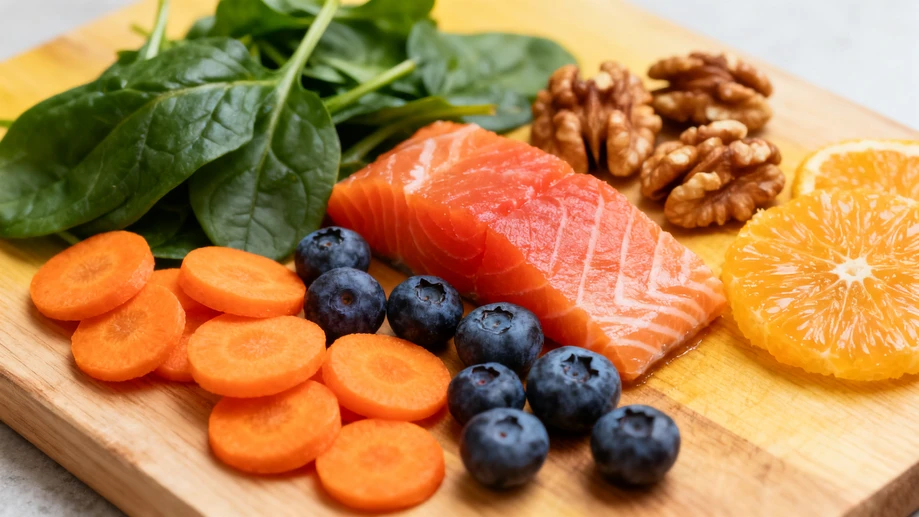
Meet the vibrant orange warriors: carrots and sweet potatoes. These aren't just rabbit food – they're packed with beta-carotene that converts to vitamin A inside your body. This powerhouse nutrient maintains corneal clarity and supercharges night vision by producing rhodopsin, the pigment helping your eyes adjust to darkness. Try roasting rainbow carrots with olive oil to boost nutrient absorption, or blend sweet potatoes into creamy soups. Regular consumption helps prevent dry eyes and creates a natural shield against harmful blue light from devices.
Dark leafy greens are your retina's personal security detail. Spinach, kale, and collards contain lutein and zeaxanthin – golden-colored pigments that accumulate in your macula. This tiny spot handles central vision for reading and recognizing faces. These antioxidants act like natural sunglasses by filtering harmful high-energy light waves. Studies reveal people consuming these greens regularly have 43% lower risk of macular degeneration. Sauté them with garlic, blend into morning smoothies, or bake crispy kale chips. The deeper the green color, the higher the concentration of these vision guardians.
Don't underestimate the tiny treasures: blueberries and citrus fruits. These jewel-toned fruits deliver anthocyanins and vitamin C – a dynamic duo combating free radicals generated by UV exposure. Blueberries improve blood flow to ocular tissues while citrus bioflavonoids strengthen fragile capillaries in the eyes. When seasonal berries disappear, turn to frozen varieties for year-round benefits. Sprinkle them over oatmeal, blend into yogurt parfaits, or freeze into refreshing sorbets. Consistent intake helps maintain collagen in the cornea and may slow cataract formation according to longitudinal nutrition studies.
Fatty fish offer deep-sea dividends for dry eyes. Salmon, mackerel, and sardines swim with omega-3 fatty acids EPA and DHA. These healthy fats form the structural foundation of retinal cell membranes while reducing inflammation that causes dry eye syndrome. Just two weekly servings decrease dry eye symptoms by 38% per clinical trials. Grill salmon with dill, add sardines to whole-grain toast, or bake trout with lemon. For plant-based alternatives, walnuts and chia seeds provide alpha-linolenic acid (ALA) that converts to beneficial omega-3s. Partner fish with vitamin-E rich almonds or sunflower seeds to create vision-protecting synergy.
Transforming your eyesight starts at breakfast, not the optometrist. Combine these superfoods into daily rituals: scramble eggs (rich in cysteine) with spinach, snack on citrus segments with walnuts, or end meals with dark chocolate (flavanols boost blood flow to retinas). Hydration remains crucial – sip water infused with vision-boosting cucumber slices. While these foods won't replace prescription lenses, they create biological armor against digital strain. After six weeks of consistent intake, most people report reduced eye fatigue and brighter visual perception. Your eyes work tirelessly – isn't it time you paid them with delicious dividends?