
Is Your Eye Health Secretly Sabotaged by These Myths?
Unmasking the surprising truths behind everyday eye care fallacies that could be blurring your vision.
Eye health is a topic shrouded in myths, and believing them might be doing more harm than good. Think about it: we often hear that wearing glasses weakens your eyes or that carrots are the ultimate vision saviors. But are these claims backed by science, or are they just old wives' tales? Surprisingly, many of us cling to these misconceptions, unwittingly putting our precious sight at risk. In reality, modern research shows that our eyes are resilient, yet susceptible to misinformation. This article delves into the most common myths, using fun facts and real-life scenarios to set the record straight. After all, who wouldn’t want crystal-clear vision without falling for the hype?
First up, let’s tackle the persistent myth that wearing glasses makes your eyes weaker. Many people avoid glasses, fearing that relying on them will degrade vision over time. However, optometrists explain that glasses simply correct refractive errors like nearsightedness or farsightedness—they don’t alter the eye's structure. In fact, not wearing them when needed can cause eye strain, headaches, and even accelerated deterioration in children. Imagine struggling to read a menu in a dimly lit restaurant; that’s not heroism—it’s self-sabotage! Studies show that consistent use of prescribed eyewear actually stabilizes vision. So, next time you reach for those specs, remember: it’s not a crutch, it’s a confidence booster for your eyes.
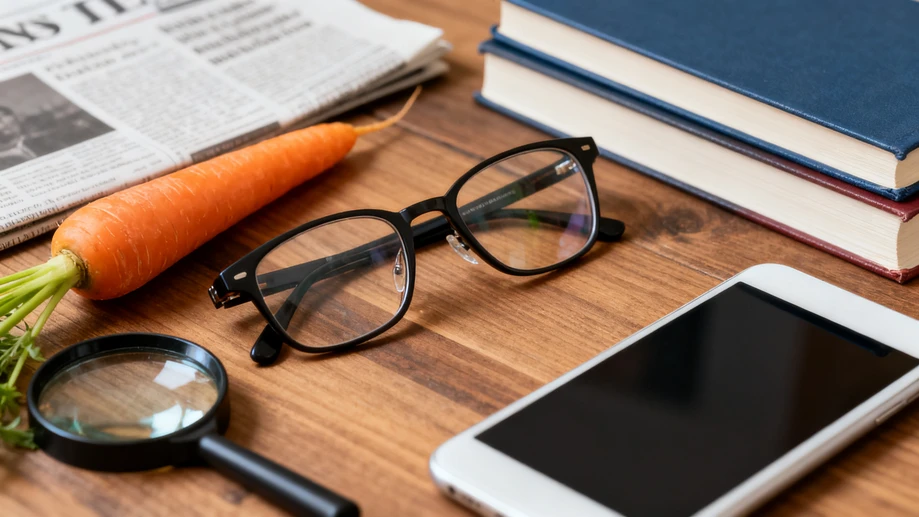
Another widespread fallacy is that carrots alone can grant you superhuman night vision. While they’re packed with beta-carotene (which converts to vitamin A and supports retinal health), they’re not a magic bullet. The truth is, vitamin A deficiency is rare in modern diets, and relying solely on carrots ignores other essential nutrients like lutein, zeaxanthin, and omega-3 fatty acids found in leafy greens or fish. For instance, munching on carrots won’t save you from screen fatigue—a balanced meal with colorful veggies does more for overall eye resilience. This myth likely stems from World War II propaganda, where carrots were hyped to mislead enemies about British pilots’ night-vision tech. Today, enjoy your carrots as part of a varied diet, not as an eye panacea.
Now, consider the digital age nightmare: the idea that screen time permanently damages your eyes, turning them into digital relics. Extended use of devices can cause temporary discomfort like dry eyes or headaches, but it doesn’t lead to irreversible harm. The real culprit? Poor habits, such as forgetting to blink or not adjusting screen brightness. A simple fix? The 20-20-20 rule—every 20 minutes, look 20 feet away for 20 seconds. This reduces strain significantly. Research reveals that children’s increasing screen time hasn’t spiked permanent eye damage rates; instead, it’s increased myopia partly due to less outdoor play. So, blame your Zoom marathon for tired peepers, not doom. Moderation and smart practices keep your vision sharp in this pixelated world.
What about reading in low light ruining your eyes? This classic scare tactic is largely unfounded. While squinting in dimness can cause temporary eye strain or headaches, it doesn’t inflict long-term damage. Your eyes naturally adapt to changing light, and the discomfort stems from muscle fatigue rather than structural harm. A fun fact: candles were once common reading lights, yet we didn’t see epidemics of blindness. The key is to ensure adequate lighting for comfort, not fear a dark corner. So, cozy up with a book under a soft lamp—it’s no threat to your ocular health.
In wrapping up, these myths highlight how easily misinformation spreads, from casual chats to viral social media posts. Protecting your vision starts with regular check-ups—experts recommend annual eye exams to catch issues early. Embrace science-backed tips: diversify your diet, wear glasses as prescribed, and balance screen time with breaks. Remember, clear sight isn’t just about avoiding myths; it’s about empowering yourself with truth. Spread the word, and let’s see the world with eyes wide open—free of blurry fallacies!