Have You Unknowingly Hurt Your Own Eyes Following Those Widely Shared Daily Care Tips
Small overlooked daily behaviors can cause lasting eye strain that gradually damages vision over years of regular digital device use.
If you have ever sat through a 9-hour workday glued to your office monitor, then squeezed in 45 minutes of short-form videos during your crowded subway commute, then curled up under the bed covers scrolling social media before sleep, you are definitely familiar with that dull, heavy burning sensation behind your eyeballs. Most people will reach for the first easy fix they can find at that moment, a random bottle of eye drops bought off a social media ad, a crumpled cold tissue pressed to the lids, even a hard rub with the back of their unwashed hand that just touched a public subway handrail, and all these little actions add up to far more hidden harm than most people assume. No dramatic emergency will happen the second you do these things, but the small, repeated damage builds up slow enough that you will not notice the problem until you can no longer read the street sign across the road clearly, or your eyes get so dry that even a full night of sleep cannot chase away the gritty sandy feeling when you wake up.
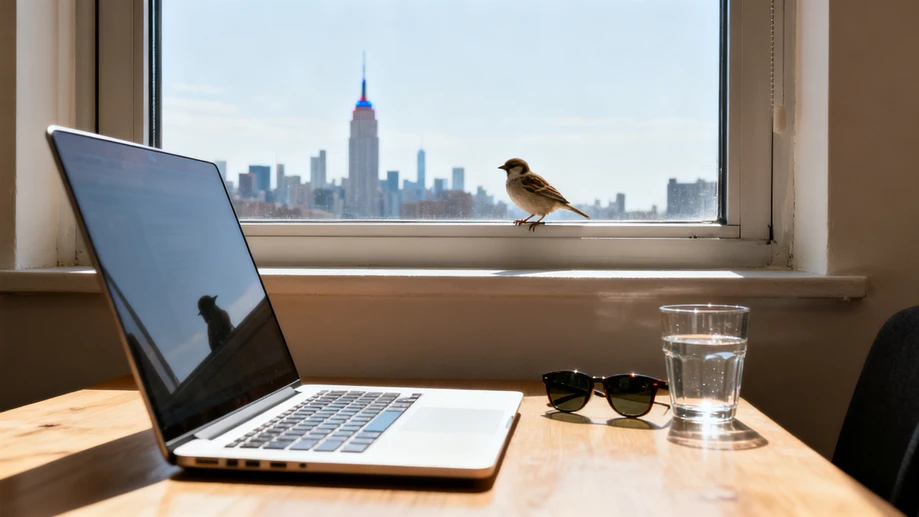
The first common mistake almost everyone makes is misusing the famous 20-20-20 rule that gets shared on every wellness account online. Most people remember the three 20 numbers, but they skip the most critical detail hidden in the fine print, the 20 feet mark. A lot of office workers will glance at the snack vending machine 3 meters away across the office for 20 seconds and call that a proper eye break, but that is far too close to give your overworked eye muscles the rest they actually need. You have to look at a target at least 6 meters away, the top of the community water tower down the street, a flock of sparrows flying across the sky, the sign on the top floor of the distant commercial building, to make your ciliary muscle fully relax and release all the tension it built up from focusing on close-range screens for too long. Most people also forget that their blink rate drops by 70 percent when they are fully focused on watching a funny short video, from a normal 15 blinks per minute to barely 4 or 5 blinks, which breaks the thin protective tear film covering your eye surface before you even notice.
A lot of habits that people have long labeled as smart eye care tricks are actually quietly making your eye health worse. Many people believe that turning on the “night mode” on your phone before scrolling in total darkness will fully protect their eyes, so they stay up scrolling for two extra hours with no guilt at all. In reality, night mode only cuts down a small portion of blue light, but your pupils will expand to three times their normal size in fully dark environments, letting in far more harsh light from the screen and locking your ciliary muscle in a fully contracted state for hours on end. A few weeks of this habit can turn temporary eye fatigue into persistent pseudo-myopia that takes months to fade away. There are also people who love to press a steaming hot towel straight from their shower onto their eyes, but temperatures higher than 40 degrees Celsius will solidify the special oils produced by your meibomian glands, blocking the tiny glands and leading to recurring styes and chronic dry eye that is very hard to heal later on.
The best daily eye care habits never require you to spend hundreds of dollars on fancy massage eye masks or expensive vision supplement pills, they are tiny free actions you can slip into your existing daily routine without any extra effort. The next time you stand up to get a cup of water from the office water cooler, pause for 30 seconds right next to the window, and slowly roll your eyeballs up, down, left and right three separate times instead of jerking them around fast, that little movement will push the stagnant oils out of your meibomian glands gently without any extra heat or pressure. You do not need to stock 5 different bottles of special eye drops on your desk, most over-the-counter eye drops with a sharp minty cooling effect contain vasoconstrictors that make redness fade in 10 minutes, but long term use will make the tiny blood vessels on your eye surface even thicker and more visible, creating a vicious cycle that makes red eyes a permanent problem. Grab a pair of cheap UV-blocking sunglasses the next time you head out on a sunny walk, it does not have to be an expensive designer brand, it blocks harsh midday UV rays that can speed up age-related vision issues later in life far better than any fancy eye care product.
Eye care is never a grand complicated project that requires you to rearrange your whole schedule and follow a strict set of rules every single day. It is just a series of tiny, quiet pauses you insert into your busy day, when you pull your eyes away from the screen for a few extra seconds, when you skip one late night scrolling session to let your eyes rest a little earlier, when you wipe the sweat off your hand before you accidentally rub your itchy eyes after a long walk outside. The pair of eyes you use every single day lets you catch the soft golden color of sunset over the park, read the tiny handwritten note on your friend’s birthday card, spot the cat napping on the wall across the street, and see every small beautiful detail you love in the world. You do not need to turn to weird viral eye care hacks that sound too good to be true, just tweak those tiny bad daily habits you have never paid attention to, and your eyes will stay healthy and comfortable for far longer than you ever expected.