7 Super Simple Daily Eye Care Habits That Never Pop Up On Your Social Media Feeds
This casual, practical guide shares underrated zero-cost routines to protect your eyes even if you spend most of your waking hours looking at digital screens.
If you are like most people living in a modern connected city, your daily routine starts with grabbing your smartphone the second you crack your eyes open in the morning, scrolling through social media updates while you sip your first cup of coffee, then squint at your laptop screen for 7 to 9 hours through the entire workday, then spend your commute and evening leisure time watching short videos or catching up on your favorite drama series. By the time you get ready for bed, you may notice your eyes feel gritty, almost like there is a tiny speck of sand stuck under your eyelid, and you can barely make out the street sign three blocks away when you walk the dog after dinner. Most people rush to order expensive blue light blocking glasses, fancy heated eye massagers and all kinds of viral eye care products the second these symptoms show up, but they ignore a pile of tiny, almost zero effort daily habits that work far better than any expensive gadget to keep your vision sharp and eyes comfortable long term.
The first set of tricks are modified versions of the old eye rest rules that almost no one actually sticks to, adjusted to fit into your existing workflow without forcing you to set annoying extra alarms. You have probably heard of the 20-20-20 rule before, which asks you to look at an object 20 feet away for 20 seconds every 20 minutes, but most people forget to follow it within two days. Instead of setting a separate timer for this, you can tie this habit to an action that already happens dozens of times a day: every time your email notification pops up on the corner of your screen, you shift your gaze to the farthest tree or rooftop you can see out of your office window, and hold that gaze until you finish reading the email’s subject line. This small adjustment makes the rest rule feel automatic, and you will build a solid condition reflex for eye rest in less than two weeks, without having to put extra mental effort into remembering to take breaks. Another tiny habit you can tie to existing routines is full slow blinking: every time you stand up to walk to the water cooler to refill your cup, blink 15 times slowly with your eyes fully closed for half a second each time, to spread an even layer of tears across the surface of your eyeball, instead of letting the dry office air evaporate the moisture off your cornea.
There are more hidden little adjustments you can make to your existing daily environment that cut eye strain dramatically without any extra cost. Stop turning your screen brightness all the way up to maximum because you think brighter content looks clearer, all you need to do is adjust it until the white background of your document looks no brighter than the piece of white paper sitting next to your keyboard, so the brightness gap between your screen and the surrounding room stays small enough that your eye muscles do not have to work extra hard to adjust every time you shift your gaze. Do not read tiny text on your phone while riding a bumpy subway or bus, since your eye muscles will keep making tiny adjustments nonstop to keep the text in focus as the vehicle shakes, and half an hour of this will leave your eyes feeling as tired as if you just ran a full kilometer. Skip the habit of napping at your desk with your face pressed directly against your arms, the pressure on your eyeball will temporarily deform your cornea, leaving you with blurry, double vision for 10 to 15 minutes after you wake up, and regular long term pressure on the eyeball will slowly increase your unplanned astigmatism degree without you noticing.
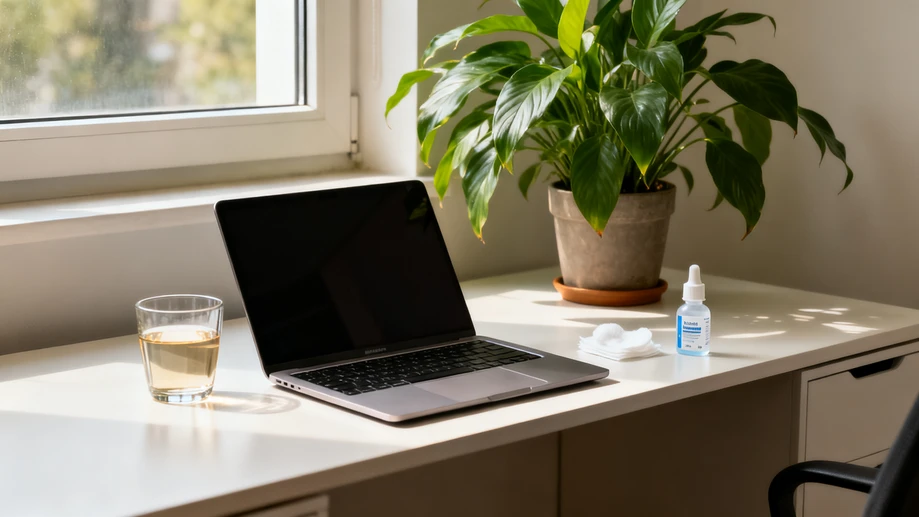
Many viral eye care hacks shared online do far more harm than good, even if they feel nice for a short period of time. Do not use those heavily advertised cooling anti-fatigue eye drops multiple times a day, most of these products add mint extracts and blood vessel shrinking ingredients to create that refreshing tingly feeling, they may ease redness and tiredness for an hour or two, but long term regular use will disrupt your body’s natural tear production rhythm, making your dry eye symptoms even worse over months. If you feel your eyes get extra dry in the middle of the workday, the safest and most effective treatment is to soak a clean cotton pad in warm water that is around 40 degrees Celsius, place it over your closed eyelids for 3 minutes, the gentle heat will melt the clogged oils in your meibomian glands, which are responsible for keeping your eye moisture from evaporating too fast, to give you hours of comfortable relief. Do not forget to remove all your eye makeup completely before you go to bed, tiny leftover particles of mascara or eyeliner can slip into the gap between your eyelid and eyeball easily, and long term friction from these small particles will cause low grade chronic inflammation that you barely notice for months until it develops into persistent dry eye.
None of these tiny eye care habits require you to spend hundreds of dollars on fancy eye care gadgets, or block out a 30 minute slot in your busy schedule to do complicated eye movement exercises. All you need to do is tie each of these small actions to a routine you already follow every single day, and you will barely notice you are building new eye care habits in the first place. After sticking to these changes for less than a month, you will be shocked to find that the annoying heavy, burning feeling in your eyes that used to show up at 5 p.m. every workday will be gone completely, and you can even finish a two hour movie marathon on your weekend without ending up with blurry vision. Good daily eye care has never been a difficult, tiring task that requires huge amounts of willpower, it is just a collection of near zero effort small adjustments that make a huge difference to your long term eye health.