5 Unexpected Health Indicators Your Eyes Can Reveal
Discover the surprising ways your peepers act as windows to your body's inner workings.
Our eyes do far more than just let us see the world; they serve as silent messengers, offering clues about our overall health in ways we often overlook. From subtle changes in appearance to unexpected symptoms, your eyes can signal underlying issues before other parts of your body sound the alarm. This fascinating link between eye health and systemic wellness isn't just science fiction—it's grounded in everyday medical observations that eye doctors use during routine check-ups. By understanding these signs, you can catch potential problems early, turning a simple glance in the mirror into a proactive health check. After all, who knew that your vision could be such a powerful diagnostic tool?
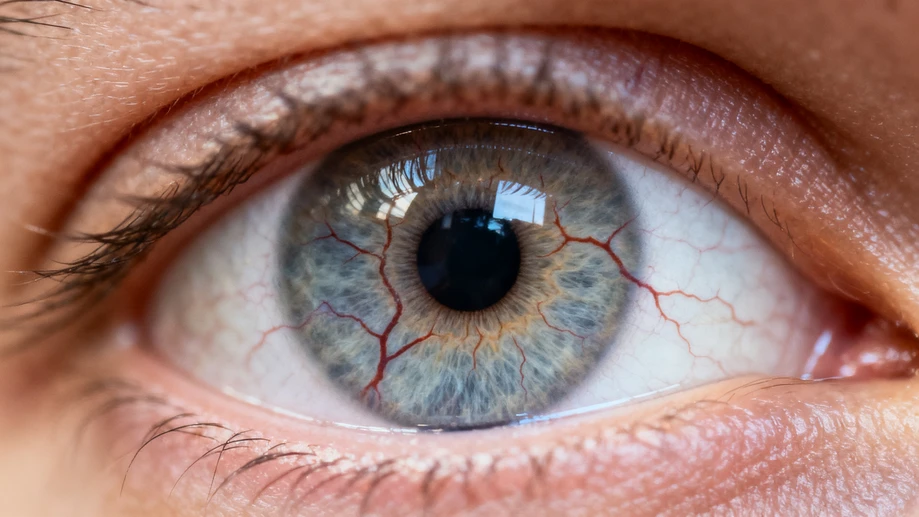
One startling revelation is how your eyes can hint at diabetes risks through tiny retinal changes, often long before you feel any symptoms. When blood sugar levels spike, the delicate blood vessels in the retina can swell or leak, causing blurry vision or unusual floaters—a common early warning sign that prompts millions to seek medical advice. For instance, many people first learn about their diabetes during a standard eye exam, thanks to digital retinal imaging that spots these minute alterations. This isn't just a rare occurrence; studies show that diabetic retinopathy affects over 30% of diabetics globally, making regular screenings a lifesaver. By noticing such shifts early, you can manage blood sugar better and avoid complications down the road.
Another eye-opening clue involves hypertension, where the pressure in your blood vessels manifests visibly in your eyes. Narrowed or twisted arteries in the retina can indicate high blood pressure, leading to phenomena like retinal hemorrhages or cotton wool spots—small, fluffy-looking areas that resemble clouds on a retinal scan. These changes aren't painful, but they're vivid red flags; in fact, optometrists often refer patients to cardiologists after spotting such signs during a check-up. Real-world stories abound, like John, a 40-year-old office worker, who discovered his undiagnosed hypertension when his eye doctor noticed unusual vessel patterns. Catching it early allowed him to adjust his diet and exercise, preventing heart issues. It's a prime example of how routine vision care goes beyond eyestrain.
Your eyes also act as sentinels for thyroid disorders, particularly hyperthyroidism, through symptoms like protruding eyes or bulging eyelids—a condition known as exophthalmos. This occurs when inflammation pushes the eyeball forward, often accompanied by dryness or double vision, and it's a telltale sign of autoimmune thyroid disease. For many, it's the first noticeable change, prompting them to investigate further. Take Sarah, who noticed her eyes felt "puffy" and sore; a visit to her eye specialist revealed elevated thyroid levels, leading to timely medication. Statistics indicate that up to half of hyperthyroidism cases show eye symptoms, highlighting how closely our ocular health ties to hormonal balance. Ignorance here could mean delayed diagnosis, so paying attention to eye discomfort is key.
Cholesterol buildup isn't just a heart issue; it can show up in your eyes as corneal arcus—a grayish ring around the cornea that often emerges in middle age. This harmless-looking ring, caused by lipid deposits, frequently signals high cholesterol levels long before chest pains or other cardiovascular warnings appear. It's surprisingly common, affecting about 45% of adults over 40, and it's easily spotted during an eye exam with a simple slit-lamp tool. Consider Mike, who brushed off mild vision changes until his optometrist pointed out the ring, prompting tests that caught his cholesterol in time for lifestyle changes. Such revelations underscore why eye checks are preventive medicine, not just vision correction.
Lastly, neurological conditions like multiple sclerosis or Parkinson's can reveal themselves through pupil responses and eye movements. Slow reactions to light, uncontrolled twitches, or difficulty tracking objects might indicate nerve damage, making an eye exam a critical first step in detection. Real-life accounts, like Emma's, who experienced sudden double vision that led to an MS diagnosis, illustrate how vital these observations are. Ultimately, these five secrets highlight the eyes' role as health barometers—so don't wait for perfect vision to fail; schedule an annual check-up. It could unveil far more than just your prescription needs, empowering you to take charge of your wellness journey with clarity.