Unlock the Wonders of Your Eyes!
Journey into the Marvelous World of Vision and Discover How Your Peepers Work Wonders Every Day.
Imagine waking up to a sunrise, reading your favorite book, or spotting a friend across a crowded room—all thanks to those incredible orbs in your head! Your eyes are more than just windows to the soul; they're high-tech marvels that process light faster than a supercomputer. In fact, the human eye can detect a single photon of light, making it one of nature's most sophisticated sensors. But how often do we stop to appreciate this daily magic? From the moment you open your eyes in the morning, they're hard at work, translating the world into vivid images. Yet, many of us take this gift for granted, leading to common issues like eye strain from endless screen time. This article will peel back the layers of your vision, revealing fun facts and practical tips to keep your peepers in top shape. Get ready to see the world in a whole new light—literally!
So, how do your eyes pull off this visual symphony? It all starts with light bouncing off objects and entering through the cornea, that clear dome at the front. Think of it as your eye's windshield. From there, the light zips through the pupil (the black dot that changes size like a camera aperture) and hits the lens, which focuses it onto the retina at the back. The retina is packed with millions of photoreceptors—rods for low-light vision and cones for color—that turn light into electrical signals. These signals race along the optic nerve to your brain, which instantly decodes them into the images you "see." It's a split-second process, happening about 100 times per second! For instance, when you glance at a rainbow, your cones are busy distinguishing hues, while rods help in dim settings, like stargazing. This intricate system evolved over millennia, yet it's so efficient that even the best cameras struggle to match it. But here's a quirky twist: your eyes aren't perfect—they can play tricks, like making you see "floaters" (those tiny specks drifting in your vision) which are just harmless bits of protein.
Now, let's dive into some common eye hiccups that can sneak up in daily life. Ever felt that gritty, tired sensation after a long day on your laptop? That's digital eye strain, a modern plague caused by staring at screens without breaks. Blinking less often dries out your eyes, leading to discomfort. Then there's myopia, or nearsightedness, where distant objects blur—blamed partly on genetics but also on too much indoor time and close-up work. Studies show it's rising globally, with over 30% of people affected. But don't fret; it's not all doom and gloom. Dry eye syndrome, another frequent flyer, happens when tears evaporate too fast, often from air conditioning or wind. The good news? Most of these are manageable with simple habits. For example, the 20-20-20 rule: every 20 minutes, look at something 20 feet away for 20 seconds. It gives your eyes a mini-vacation! Plus, regular check-ups can catch issues early, turning potential problems into quick fixes.
Protecting your peepers is easier than you think, and it starts with everyday routines. First, shield them from UV rays—those sunglasses aren't just a fashion statement; they block harmful rays that can cause cataracts over time. Next, fuel up with eye-friendly foods: carrots get the hype for vitamin A, but leafy greens like spinach are superstars too, packed with lutein and zeaxanthin that guard against age-related decline. Hydration is key—drink plenty of water to keep tears flowing smoothly. And when it comes to screens, adjust settings: lower brightness, increase text size, and use blue-light filters. But it's not all about defense; fun activities like puzzles or bird-watching can sharpen focus and reduce stress. Remember, your eyes are part of a team—getting enough sleep recharges them, while exercise boosts blood flow. Small changes, like taking walk breaks outdoors, can make a big difference. After all, healthy eyes mean clearer views of life's adventures!
Beyond basics, eyes hold some wild, lesser-known secrets. Did you know everyone's iris patterns are unique, like fingerprints? That's why biometric scans use them for security. Or that your eyes can "see" in the dark after 20 minutes, thanks to rhodopsin in rods? Another myth-buster: carrots won't give you night vision—they help, but it's exaggerated wartime propaganda! Color perception varies too; some people have tetrachromacy, seeing millions more shades than average. And in a quirky twist, your eyes contribute to balance—inner ear issues can cause dizziness, but visual cues help steady you. These facts aren't just trivia; they highlight how interconnected your vision is with overall health. For instance, eye exams can detect diabetes or high blood pressure early, as changes in blood vessels show up there first. Embrace these wonders—it makes routine checks feel like an exploration, not a chore.
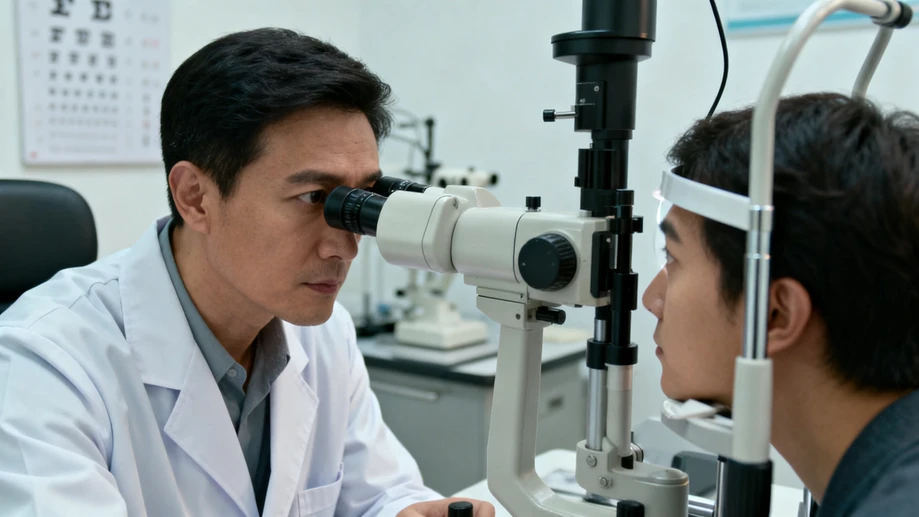
In a world filled with screens and stimuli, caring for your eyes is a small act with big rewards. Start today by booking that overdue eye exam—it's quick, painless, and could save your sight. Share these tips with friends; after all, vision connects us all. By nurturing your peepers, you're not just preventing problems; you're enhancing every glance, every memory. So go ahead, unlock the wonders—your eyes deserve the spotlight!